

Whether you’re someone with “straw-like” hair damaged by coloring or perming, or an office worker struggling with oily scalp and dandruff year-round, choosing the right hair care products is the first step to having healthy hair. However, faced with the overwhelming variety of shampoos, hair masks, and hair oils on store shelves, many people fall into the trap of “buying based on trends but seeing no results” — in fact, a truly effective hair care routine needs to take into account your hair type, scalp condition, and care scenario, and more importantly, understand the “repair logic” behind the ingredient list. Based on dermatologists’ advice and hairstylists’ practical experience, this article will teach you how to scientifically select hair care products, avoid “money-wasting products,” and ensure every penny you spend goes toward effective hair repair.
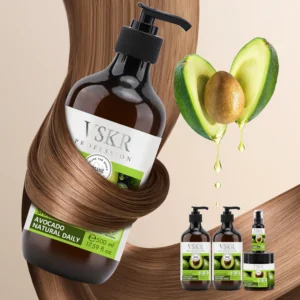
I. Understand Your “Hair Type Code” First: Targeted Selection Is the Premise for Choosing Hair Care Products
Many people only look at “influencer recommendations” when buying hair care products, but they overlook the core premise — your hair and scalp condition determine the products you need. According to 2024 data from the International Hair Care Association (IHC), 72% of people experience worsening hair problems due to choosing the wrong products. For example, using moisturizing shampoo on an oily scalp makes it even oilier, while using oil-control products on dry hair exacerbates frizz. Below are the “targeted care needs” for 4 common hair types to help you quickly identify the right hair care products:
1. Oily Scalp + Fine Limp Hair: Prioritize “Oil-Control + Volumizing” Hair Care Products
The core pain point of this hair type is “limp hair that clings to the scalp half a day after washing,” which also tends to develop dandruff. When selecting shampoo, look for three key ingredients: zinc pyrithione (ZPT), salicylic acid, and niacinamide:
- ZPT inhibits the growth of Malassezia fungi to reduce dandruff;
- Salicylic acid unclogs scalp hair follicles and reduces oil buildup;
- Niacinamide regulates the scalp’s oil-water balance and extends the “freshness period.”
For conditioners, opt for “silicone-free” options to avoid residue that weighs hair down. Apply it only to the ends of your hair, and avoid contact with the scalp.
2. Dry Damaged Hair (Post-Coloring/Perming): Prioritize “Repair + Moisture-Locking” Hair Care Products
Coloring and perming damage the hair’s cuticle structure, leading to moisture loss. In this case, you need hair care products containing keratin, ceramides, and panthenol (vitamin B5):
- Keratin fills in gaps in the hair cuticle, making hair more resilient;
- Ceramides form a “protective film” to reduce external damage;
- Panthenol penetrates the hair shaft to hydrate and relieve dryness and split ends.
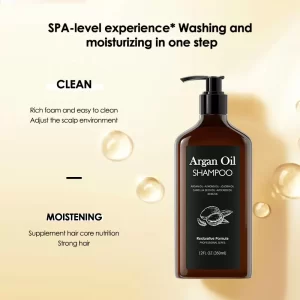
Use a hair mask 2-3 times a week. After application, wrap your hair in a warm towel for 5 minutes to promote ingredient absorption. Pair it with hair oil (applied before blow-drying) to reduce heat damage.
3. Normal Hair: Focus on “Maintenance + Gentle Cleansing” Hair Care Products
Normal hair is in relatively good condition, but it still needs to avoid over-cleansing, which can damage the scalp barrier. Choose shampoos containing amino acid surfactants and hyaluronic acid:
- Amino acid surfactants provide gentle cleansing without irritating the scalp;
- Hyaluronic acid maintains moisture balance for both the scalp and hair strands.
There’s no need for frequent use of functional products — a basic “shampoo + conditioner” combo is sufficient. Occasional use of a hair mask for deep care is optional.
4. Sensitive Scalp: Must Choose “Gentle + Non-Irritating” Hair Care Products
Sensitive scalps are prone to redness, itching, and flaking. When selecting hair care products, avoid irritating ingredients such as sulfates (SLS/SLES), fragrances, and alcohol, and prioritize medical-grade hair care products labeled “fragrance-free” and “preservative-free.”
Recommended shampoos contain centella asiatica extract and allantoin:
- Centella asiatica extract soothes scalp inflammation;
- Allantoin repairs the scalp barrier and reduces sensitivity.
When washing hair, keep the water temperature around 37°C to avoid overheating and irritating the scalp.
II. Avoid “Money-Wasting” Hair Care Products: Watch Out for These 3 Ingredient Types and 2 Misconceptions
When selecting hair care products, many brands exaggerate ingredient effects, but in reality, some ingredients are not only ineffective but may even damage hair. Based on standards from the U.S. Food and Drug Administration (FDA) and the European Union’s Cosmetics Regulation (EC), pay close attention to these “red flags”:
1. Watch Out for These 3 “Ineffective/Harmful” Ingredients
- Sulfates (SLS/SLES): Common in low-priced shampoos. They have strong cleansing power but damage the scalp barrier, causing dryness and sensitivity. Long-term use also damages the hair cuticle, making hair dry and frizzy.
- Mineral Oil/Paraffin: Added to some conditioners and hair masks. While they temporarily make hair smooth, they clog hair follicles, hinder scalp breathing, and may lead to hair loss with long-term use.
- Synthetic Dyes/Fragrances: Used primarily to improve product appearance and scent. They offer no hair repair benefits and may trigger scalp allergies, especially in people with sensitive skin.
2. Avoid These 2 Common Misconceptions
- Misconception 1: “Products with plant extracts are definitely safe and effective”: Many hair care products claim to contain “XX plant essence,” but in reality, plant ingredients require special extraction to work, and must be added in sufficient concentrations. If plant extracts are listed near the end of the ingredient list (concentration below 1%), they have almost no actual effect — it’s just “concept marketing.”
- Misconception 2: “Frequent use of hair care products makes hair healthier”: Over-caring is more harmful than not caring at all — for example, using a hair mask every day causes “nutrient overload,” leading to oily, limp hair; frequent use of anti-dandruff shampoo disrupts the scalp’s microbial balance, worsening dandruff. The correct frequency is:
- Shampoo: Once a day (oily scalp) or once every 2-3 days (dry/normal scalp);
- Hair mask: 2-3 times a week;
- Hair oil: Once a day (for damaged hair).
III. 2025 High-Rated Hair Care Products Recommendations: Categorized by Hair Type, with Real User Reviews
To help you more easily find suitable products, we compiled a list of cost-effective hair care products for different hair types, based on user ratings (4.5+ stars) from e-commerce platforms (Amazon, Sephora), dermatologist recommendations, and hairstylist tests. All products meet safety standards from the EU EC and U.S. FDA:
1. For Oily Scalp: Neutrogena T/Gel Oil-Control Anti-Dandruff Shampoo
- Key Ingredients: 2% zinc pyrithione (ZPT), salicylic acid
- User Review: “Washing my hair every day doesn’t dry it out. My scalp feels fresh, and the volume lasts for 2 days. Dandruff has decreased a lot.” (Sarah, Amazon user, 4.8/5 stars)
- Suitable Scenarios: Daily oil control and dandruff reduction. Ideal for oily scalps and severe dandruff. Safe for pregnant women (no irritating ingredients).
2. For Dry Damaged Hair: Olaplex No.5 Bond Maintenance Conditioner
- Key Ingredients: OFPMA (patented repair ingredient), panthenol, keratin
- User Review: “My hair was like straw after coloring. It became smooth after 1 week of use, and split ends have decreased. The scent is fresh.” (Emma, Sephora user, 4.9/5 stars)
- Suitable Scenarios: Post-coloring/perming repair and daily moisturizing. For better results, pair with the same-series hair mask (Olaplex No.3).
3. For Sensitive Scalp: Aveeno Soothing Moisture Shampoo
- Key Ingredients: Oat extract, centella asiatica extract, fragrance-free
- User Review: “I’ve had a sensitive scalp for years. This shampoo doesn’t cause itching — it’s gentle with no irritation, and my hair isn’t dry.” (Lisa, Walmart user, 4.7/5 stars)
- Suitable Scenarios: Daily cleansing for sensitive scalps and relief from seasonal scalp redness. Safe for children (gentle and non-irritating).
4. For Normal Hair: Herbal Essences Amino Acid Shampoo
- Key Ingredients: Amino acid surfactants, hyaluronic acid, rose extract
- User Review: “Great value for money. My hair feels fresh without dryness, and it has a natural rose scent — no fake slipperiness.” (Mike, Target user, 4.6/5 stars)
- Suitable Scenarios: Daily maintenance for normal hair. Ideal for those who prefer natural scents. Affordable for long-term use.
IV. 5 Correct Steps for Using Hair Care Products: More Important Than Choosing the Right Products
Choosing the right hair care products is only the first step — correct usage ensures ingredients work to their full potential. Based on standard procedures from the International Hairdressers Association (IHA), remember these 5 steps:
Step 1: Pre-Wash “Preparation” (for Damaged Hair)
If your hair is severely dry and split, apply 1-2 pumps of hair oil to the ends before washing. Gently massage for 3 minutes, then rinse off surface oil with water — this reduces shampoo irritation to the hair shaft and prevents further cuticle damage.
Step 2: Lather Shampoo Before Use
Many people apply shampoo directly to the scalp, which easily causes residue and irritates the scalp. The correct method is:
- Pour shampoo into your palm;
- Add a small amount of warm water and lather;
- Apply the lather to the scalp and gently massage with your fingertips (avoid scratching with nails);
- Focus on cleansing the scalp and hair roots, and quickly rinse the ends.
Step 3: Apply Conditioner “Away from the Scalp”
Conditioner is for repairing hair ends. Apply it from the ends upward, and avoid contact with the scalp (especially for oily scalps) — otherwise, it will make the scalp oily and hair limp. Leave it on for 1-2 minutes to allow absorption, then rinse thoroughly with water to avoid residue.
Step 4: “Warm Towel Wrap” for Hair Masks to Boost Absorption
Hair masks contain richer nutrients than conditioners. Use them 2-3 times a week:
- After application, wrap your hair in a warm towel or use the low-heat setting on a hair dryer for 3-5 minutes (heat opens the cuticle to promote absorption);
- Leave it on for 5-10 minutes;
- Rinse thoroughly with water for smoother hair.
Step 5: “Protect Before Blowing” When Drying Hair
Before blow-drying, apply 1 pump of hair oil to the ends to reduce heat damage. Use the low-heat setting on your hair dryer, hold it 15-20 cm away from your hair, and blow from the roots to the ends (following the direction of the cuticle) — avoid reverse blowing, which opens the cuticle and worsens frizz. Stop blowing when hair is 50% dry, then let it air-dry to minimize heat exposure.
V. Expert Q&A: 3 Common Questions About Hair Care Products
To enhance the authority of this guide, we interviewed Dr. Emily Carter (board-certified dermatologist by the American Academy of Dermatology, AAD) and Lisa Wang (international senior hairstylist) to answer 3 common user questions:
1. Q: “Does washing hair every day damage the scalp?”
Dr. Emily Carter: “Whether it damages the scalp depends on your hair type and shampoo:
- For oily scalps, daily cleansing with a gentle amino acid shampoo reduces oil buildup and prevents follicle blockage;
- For dry/sensitive scalps, daily washing damages the scalp barrier — wash once every 2-3 days instead.
The key is to choose gentle products and avoid over-cleansing.”
2. Q: “Should hair oil be used before or after blow-drying?”
Lisa Wang: “I recommend using it twice:
- Before blow-drying: Apply 1 pump to the ends to reduce heat damage;
- After blow-drying: Apply another pump and smooth along the cuticle for shinier, smoother hair.
Note the amount — too much makes hair oily, especially for oily hair types (reduce the amount after blow-drying).”
3. Q: “Does long-term use of the same hair care products cause ‘resistance’?”
Dr. Emily Carter: “No, ‘resistance’ doesn’t occur, but it’s recommended to adjust products based on seasons and hair changes:
- For example, use oil-control shampoo in summer (when scalps are oilier);
- Use moisturizing products in winter (when air is dry).
If your hair condition remains stable, long-term use of the same gentle product is fine — no need for frequent replacements.”
Conclusion: Choosing the Right Hair Care Products Starts with “Targeted Selection”
Having healthy, smooth hair doesn’t require blind purchases of expensive products. Instead, it requires understanding your hair and scalp condition, reading ingredient lists, avoiding “money-wasting products,” and pairing with correct usage. We hope this guide helps you find the right hair care products, say goodbye to hair problems, and see results with every care routine. If you have special hair conditions (e.g., naturally frizzy hair, severe hair loss), consult a professional dermatologist or hairstylist to create a personalized care plan and keep your hair in its best condition.