

Choosing the right Cosmetics Manufacturer is one of the most important decisions for any beauty brand. Whether you are launching a skincare line, makeup products, or private label cosmetics, the quality of the manufacturer you choose will impact your brand’s reputation and success in the marketplace. In this blog, we will guide you through the key factors to consider when selecting the right Cosmetics Manufacturer, ensuring you make a smart, informed decision.
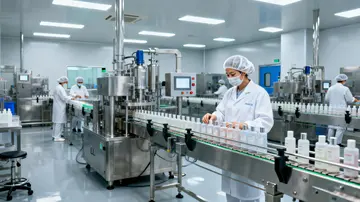
Why the Right Cosmetics Manufacturer Matters
Choosing the right manufacturing partner goes beyond cost considerations. The right manufacturer ensures your products meet industry standards, are produced efficiently, and are safe for consumer use. Moreover, a strong partnership with a professional and reliable Cosmetics Manufacturer will allow you to scale your business, maintain product consistency, and comply with regulatory requirements.
-
The Impact of a Poor Manufacturing Partner:
-
Quality Issues: Subpar manufacturing can lead to inconsistent product quality, resulting in customer dissatisfaction and possible recalls.
-
Regulatory Non-Compliance: Non-compliance with safety and regulatory standards can jeopardize your brand’s reputation and result in legal trouble.
-
Delays: A Cosmetics Manufacturer who misses deadlines can lead to lost sales opportunities and disrupted business operations.
-
Key Factors to Consider When Choosing a Cosmetics Manufacturer
When selecting a Cosmetics Manufacturer, it is essential to evaluate several factors. Below are the key elements you should consider:
1. Manufacturing Capabilities and Product Range
-
OEM (Original Equipment Manufacturing) vs. ODM (Original Design Manufacturing):
-
OEM: If you have a clear vision for your product and want to keep the design under your control, OEM is the best choice. The Cosmetics Manufacturer produces your product according to your specifications.
-
ODM: If you want to start with a product template that you can customize, ODM might be more suitable.
-
-
Range of Products: Ensure the Cosmetics Manufacturer has experience with the specific type of cosmetic product you plan to produce (e.g., skincare, haircare, makeup).
2. Quality Control Processes
-
Certifications and Standards: Make sure the Cosmetics Manufacturer complies with quality management systems such as ISO 9001, GMP (Good Manufacturing Practices), and FDA regulations.
-
Testing and Validation: Check if the Cosmetics Manufacturer conducts rigorous quality testing to ensure the final products meet your standards.
-
Sample Approval: Request product samples before committing to a large order to evaluate the product’s quality firsthand.
3. Manufacturing Location and Production Capacity
-
Proximity: Consider Cosmetics Manufacturers located close to your target market, as this can reduce shipping costs and lead times.
-
Scalability: Ensure the Cosmetics Manufacturer can handle your future growth by offering scalability in production volume.
-
Lead Times: Make sure that the Cosmetics Manufacturer has the capacity to meet your delivery deadlines without compromising quality.
4. Regulatory Compliance
-
Global Standards: A good Cosmetics Manufacturer should adhere to international regulatory standards such as the EU Cosmetics Regulation, FDA, or local regulations relevant to your market.
-
Testing for Safety: Ensure the Cosmetics Manufacturer follows proper procedures for safety testing, including dermatological tests, stability tests, and allergy tests.

Additional Considerations When Choosing a Cosmetics Manufacturer
5. Reputation and Track Record
-
Industry Reputation: Research the Cosmetics Manufacturer’s reputation within the industry. Look for client reviews, testimonials, and any case studies available.
-
Client Portfolio: Look for a Cosmetics Manufacturer that has worked with reputable brands. Their experience in your product category and their ability to meet deadlines can be a good indicator of their reliability.
-
References and Case Studies: Don’t hesitate to ask for references from previous clients, especially those who have worked on similar products.
6. Pricing Structure and Transparency
-
Cost of Manufacturing: Compare pricing from multiple Cosmetics Manufacturers to ensure you’re getting the best deal. However, avoid choosing the cheapest option, as it could compromise quality.
-
Hidden Fees: Ensure that the Cosmetics Manufacturer is transparent with pricing, and be clear about any additional costs, such as packaging, shipping, and certification fees.
7. Communication and Customer Service
-
Ease of Communication: Effective communication is vital for smooth operations. Choose a Cosmetics Manufacturer who is responsive and can provide timely updates on your project.
-
Language Barriers: Language barriers can cause misunderstandings, so it’s essential to work with a team that speaks your language or has interpreters available.
-
Customer Support: Evaluate their customer support infrastructure—do they offer easy access to account managers or technical support when needed?
8. Ethical and Sustainability Practices
-
Environmental Responsibility: Look for Cosmetics Manufacturers that follow environmentally friendly practices, such as using sustainable ingredients, recyclable packaging, and reducing waste.
-
Labor Practices: Ensure the Cosmetics Manufacturer treats their employees fairly and adheres to ethical labor practices. Some companies may also offer certifications like Fair Trade or Ethical Sourcing.
How to Build a Long-Term Relationship with Your Manufacturer
Building a long-term relationship with your Cosmetics Manufacturer is crucial to ensure product consistency, smooth operations, and mutual growth. Here are some tips:
-
Clear Communication and Expectations:
Set clear expectations about production timelines, product quality, and compliance with regulations. Establish open channels for feedback and improvement. -
Regular Audits:
Schedule regular quality audits to ensure that manufacturing processes meet your standards. This helps identify issues early on and ensures the Cosmetics Manufacturer adheres to your specifications. -
Flexibility and Problem Solving:
Work with Cosmetics Manufacturers who are willing to make adjustments to meet your evolving needs, whether that’s scaling production or making tweaks to your formula. -
Long-Term Partnership:
A reliable manufacturing partner can help you grow your brand, but it’s important to build trust and collaborate closely on future product lines and launches.
Conclusion: Making the Right Decision
Choosing the right Cosmetics Manufacturer is not a decision to take lightly. Whether you’re launching a new line of skincare products or expanding your cosmetics range, your manufacturer will be an essential part of your brand’s success. By carefully considering the factors outlined in this guide, you’ll be well on your way to finding a reliable partner that can deliver quality products, meet your deadlines, and help you scale your business.
Call to Action
If you are looking for a reliable Cosmetics Manufacturer, don’t hesitate to contact us. We specialize in OEM/ODM services and have a proven track record of delivering high-quality products that meet international standards. Reach out to us today to discuss how we can help bring your cosmetic brand to life!