

I. What Exactly is a Custom Cosmetic Manufacturing Factory? Why Has It Become the Core of Brand Success?
1.1 Redefining the Modern Cosmetic Production Model
Traditionally, cosmetic manufacturing was often seen as a simple “processing step,” but contemporary custom cosmetic manufacturing factories have completely transcended this limitation. Today’s custom factories are comprehensive solution providers covering the entire chain from product concept to market launch, including formula R&D, packaging design, regulatory compliance, production filling, and quality inspection. This transformation stems from profound changes in market demand—consumers are no longer satisfied with standardized products but seek personalized, efficacy-focused, and story-driven beauty products.
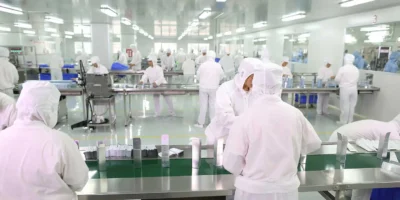
A truly professional custom manufacturing factory is essentially an “external R&D center” and “production partner” for brand companies. They possess not only advanced production equipment but, more importantly, accumulated extensive formula databases and industry experience across categories, skin types, and markets. For instance, developing sunscreen products tailored to Asian skin characteristics or creating gentle formulas for sensitive skin requires factories to have deep technical expertise and clinical testing capabilities.
1.2 Why Do Emerging Brands Rely on Professional Custom Factories?
Data shows that over 80% of successful beauty brands in recent years have engaged in deep collaborations with professional custom factories. This reliance stems primarily from three core factors:
Overcoming R&D Barriers: Cosmetic formula R&D requires significant capital investment and time. For a startup brand to independently establish an internationally compliant R&D laboratory, initial investments often exceed tens of millions. By partnering with factories that already have mature R&D systems, brands can immediately access proven technical platforms validated by the market.
Compliance Assurance: Global cosmetic regulations are becoming increasingly stringent, from China’s “Cosmetics Supervision and Administration Regulations” to the EU’s EC 1223/2009. Compliance requirements are complex and ever-changing. Professional custom factories have dedicated regulatory teams that can help brands mitigate risks in advance, ensuring smooth market entry in target regions.
Supply Chain Stability: Custom factories integrate high-quality supply chain resources, from raw material procurement to finished product delivery. Especially amid frequent fluctuations in global raw material prices, the purchasing power and inventory management experience of large-scale factories provide brands with cost-controllable and stable production guarantees.
II. How to Identify Truly Reliable Custom Cosmetic Manufacturing Factories?
2.1 Seven Core Evaluation Dimensions
Selecting a custom cosmetic manufacturing factory is a strategic decision for brand development and requires a comprehensive multi-dimensional assessment:
Certification Systems: A basic “Cosmetics Production License” is just the entry threshold. Truly capable factories proactively obtain international certifications, such as ISO 22716 (Cosmetics Good Manufacturing Practices), GMPC (US/EU Cosmetic Good Manufacturing Practices), and ISO 9001 (Quality Management Systems). These certifications are proof of production capability and reflect management standardization.
R&D Innovation Capability: When visiting a factory, focus on inspecting its laboratory setup and R&D team background. High-quality factories typically have R&D teams composed of multidisciplinary talents in cosmetic science, chemical engineering, skin biology, etc., and maintain collaborations with universities and research institutions. Inquire about their exclusive patented technologies, unique raw material resources, or innovative formulation development capabilities.
Production Equipment and Processes: Production equipment determines the upper limit of product quality. Pay attention to whether the factory has advanced sterile production workshops, fully automated filling lines, intelligent control systems, etc. Particularly for high-demand products like serums and ampoules, the cleanliness level of the production environment (e.g., reaching Class 100,000 or higher standards) directly impacts product stability and microbial indicators.
2.2 Key Red Flags to Avoid Partnership Pitfalls
Beware of “All-in-One” Promotions: Every factory has its own strengths in specific categories. Factories claiming to be “capable of everything” are often questionable in terms of expertise. Factories specializing in specific areas (e.g., skincare, color cosmetics, personal care) usually have deeper expertise in those fields.
Review Past Case Studies: Request case studies from the factory and try to contact existing partner brands for genuine feedback. Focus on the factory’s actual performance in problem-solving, urgent order handling, and quality incident response.
Clarify Intellectual Property Ownership: Clearly define the ownership of formulas, designs, and other intellectual property in written agreements before collaboration. Reputable factories proactively propose clear IP protection plans to avoid future disputes.
Transparency in Cost Structure: Reputable factories provide clear cost breakdowns, including details on raw material costs, processing fees, packaging material fees, testing fees, etc. Be cautious of factories quoting significantly below market averages, as this may indicate compromises in raw material quality or production processes.
III. Analysis of Core Services Offered by Custom Cosmetic Factories
3.1 End-to-End Services from Concept to Finished Product
Market-Oriented Product Planning: Leading custom factories have evolved from “order-taking” to “co-creation models.” Based on market data analysis and trend insights, they provide brands with product planning advice, including positioning analysis, competitor research, and pricing strategies, helping brands develop products with genuine market potential.
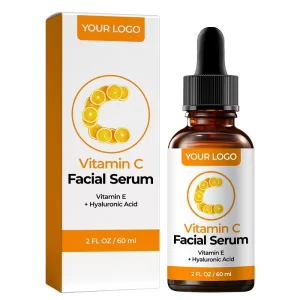
Differentiated Formula Development: This is the core value of custom factories. Based on the skin characteristics, usage habits, and efficacy needs of the brand’s target consumers, the factory’s R&D team retrieves suitable formula frameworks from its foundational database before making targeted adjustments and optimizations. For example, developing an oil-control and anti-acne series for oily, acne-prone skin requires balancing efficacy with gentleness, which tests the factory’s formulation expertise.
Packaging Design and Supply Chain Management: Excellent factories can provide packaging design support or recommend partner design agencies and manage the entire packaging material supply chain. They are familiar with the characteristics, costs, and minimum order quantities of various packaging materials, helping brands find the optimal balance between aesthetics, practicality, and cost control.
3.2 Quality Control and Regulatory Compliance Support
Three-Tier Quality Control System: Professional factories establish comprehensive quality control throughout the entire process, from raw material intake to production and finished product shipment. This includes reviewing raw material COAs (Certificates of Analysis), sample retention, in-process monitoring during production, and final product key indicator testing. Some high-end factories also conduct stability tests, compatibility tests, and sensory evaluations.
One-Stop Global Regulatory Services: For brands planning to expand globally or import, leading factories offer multi-country regulatory consulting services. They are familiar with the differences in cosmetic regulations across major markets like China, the EU, the US, and Southeast Asia and can guide brands in preparing registration/filing documents and completing necessary tests (e.g., human safety tests, SPF value tests), significantly shortening time to market.
IV. Collaboration Process and Cost Optimization Strategies
4.1 Five Key Stages for Efficient Collaboration
Requirements Alignment and Concept Finalization Stage (1-2 weeks): The brand clarifies core requirements such as product positioning, target audience, price range, and expected efficacy. The factory provides preliminary proposals based on these requirements, including possible formula directions, formulation type suggestions, and cost estimates.
Sample Development and Testing Stage (3-8 weeks): The factory develops the first batch of samples, and the brand conducts internal and market testing. This stage may require 2-3 rounds of adjustments until the samples fully meet expectations. Packaging design and regulatory preparations are initiated simultaneously.
Bulk Production and Quality Confirmation Stage (4-6 weeks): After finalizing the formula and packaging, the factory proceeds with mass production. The brand should send representatives to confirm the first bulk production run, checking for consistency between the production process and the samples.
Order Delivery and After-Sales Service: The factory delivers the products as agreed and provides necessary documentation (e.g., production records, inspection reports). Continuous follow-up on market feedback is conducted to prepare for future iterations and upgrades.
4.2 Cost Control and Value Maximization
Flexible Minimum Order Quantity (MOQ) Strategies: MOQ is a primary concern for startup brands. High-quality factories offer tiered MOQ plans based on product complexity. Simpler products may have MOQs as low as 3,000–5,000 units, while complex products might require 10,000 units or more. Through modular design and shared raw materials, factories can help brands maintain product uniqueness while controlling costs.
Intelligent Raw Material Selection Balance: Brands need not always pursue expensive ingredients. Experienced engineers can achieve excellent texture and efficacy at controllable costs through rational formula architecture and processes. For example, combining various moisturizers synergistically can replace some high-cost moisturizing ingredients to achieve similar effects.
Production Planning Optimization: Reasonable production planning can significantly reduce costs. For instance, scheduling multiple products in consecutive production cycles minimizes equipment cleaning and changeover times; pre-stocking before promotional seasons avoids additional rush production fees.
V. Future Trends: Intelligence, Sustainability, and Co-Creation Models
5.1 Digital Transformation Reshaping Custom Manufacturing
Leading custom cosmetic factories are accelerating their digital transformation. By introducing smart manufacturing systems, they achieve end-to-end digital management from order receipt to finished product shipment. Clients can view real-time order progress, quality data, and inventory status through dedicated portals. Some cutting-edge factories are beginning to apply artificial intelligence to assist formula development, using algorithms to analyze vast formula datasets to predict the effects and stability of ingredient combinations, greatly shortening R&D cycles.
3D printing technology is also being applied to packaging prototyping and personalized product manufacturing, making small-batch, highly customized production economically feasible. For example, personalized serums formulated instantly based on consumer skin test data will become a significant direction for high-end customization in the future.
5.2 Green Sustainability Becoming a New Competitive Dimension
Environmental requirements are profoundly reshaping cosmetic production models. From raw material sourcing to packaging selection and production processes, sustainability across the entire chain has become a shared responsibility for both brands and factories. Innovative factories are making breakthroughs in the following areas:
Green Formula Development: Prioritizing biodegradable, sustainably sourced raw materials; developing water-saving products (e.g., waterless serums, shampoo powders); improving formula bioavailability to reduce unnecessary additives.
Eco-Friendly Packaging Solutions: Offering options like refillable packaging, recyclable materials, and reduced packaging layers. Some factories even establish packaging recycling systems to create closed-loop cycles.
Clean Production Practices: Optimizing production processes to reduce energy consumption and wastewater discharge; implementing renewable energy supply systems like solar power; adopting lean production to minimize material waste.

5.3 Deep Co-Creation: Evolution from Contract Manufacturing to Innovation Partnerships
Future collaboration models will transcend traditional “commission-production” relationships, shifting towards deep co-creation. Factories will no longer be mere executors but strategic partners exploring market opportunities and developing innovative products together with brands. In this model, factories will participate early in the brand’s product line planning and even co-invest in developing exclusive technologies or raw materials.
Some pioneering factories are establishing “brand incubation platforms,” providing promising emerging brands with comprehensive services from product development and production to initial marketing support, replacing part of the processing fees with equity partnerships to grow together with the brands.
Choosing the right custom cosmetic manufacturing factory is the cornerstone of a brand’s success. Before making a decision, it is recommended that brands thoroughly evaluate at least 3–5 candidate factories, conducting comprehensive capability assessments and sample testing. Truly high-quality factories will patiently understand the brand’s vision, offer professional advice rather than simple agreement, and demonstrate transparency and responsibility throughout the collaboration.
Ultimately, successful custom manufacturing partnerships are a deep integration of both parties’ values, professional capabilities, and market judgment. Only when a factory genuinely understands and identifies with the brand’s philosophy can it produce high-quality products that meet market demands while embodying the brand’s unique soul, standing out in the highly competitive beauty market.