

Executive Summary: Why China Dominates Global Cosmetics Manufacturing
China has emerged as the undisputed global leader in cosmetics manufacturing, producing over 40% of the world’s beauty products. The country’s cosmetic industry has evolved dramatically—from early contract manufacturing to sophisticated OEM/ODM services offering cutting-edge R&D, innovative formulations, and sustainable packaging solutions. For beauty brands worldwide, understanding China’s cosmetics manufacturing landscape is no longer optional; it’s essential for competitive product development, cost efficiency, and market responsiveness.
This comprehensive guide explores the multidimensional advantages of partnering with Chinese cosmetics factories, providing actionable insights for brands seeking to develop exceptional products while navigating this complex ecosystem successfully.
The Evolution of China’s Cosmetics Manufacturing Landscape
From Contract Manufacturing to Innovation Powerhouse
China’s journey in cosmetics manufacturing began with basic contract production in the 1990s, primarily serving domestic markets with simple formulations. The turning point came in the early 2000s when international beauty brands recognized China’s potential for cost-effective manufacturing. This influx of global expertise, combined with significant domestic investment in cosmetic science education, transformed Chinese factories into sophisticated manufacturing centers.
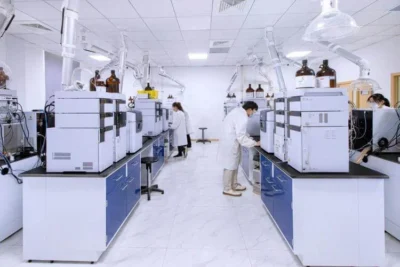
Today, leading Chinese cosmetics manufacturers operate state-of-the-art facilities that rival their European and American counterparts. Many have established dedicated R&D centers employing chemists, dermatologists, and cosmetic scientists who develop proprietary formulations. This transition from purely production-focused facilities to innovation hubs represents the most significant evolution in China’s cosmetics manufacturing sector, with many factories now holding international patents for novel delivery systems, sustainable preservation methods, and breakthrough active ingredients.
Regulatory Transformation and Quality Revolution
The Chinese cosmetic regulatory framework has undergone profound changes, most notably with the implementation of the Cosmetic Supervision and Administration Regulation (CSAR) in 2021. This comprehensive legislation elevated China’s cosmetic regulations to international standards, implementing rigorous safety assessments, stringent ingredient reviews, and comprehensive product lifecycle management requirements.
Progressive Chinese manufacturers have not only adapted to these regulations but have embraced them as competitive advantages. Top-tier factories now maintain quality management systems that exceed minimum requirements, with many achieving multiple international certifications including ISO 22716 (Cosmetics Good Manufacturing Practices), FDA registration, and EU compliance. This regulatory maturity has fundamentally transformed perceptions of “Made in China” cosmetics, positioning responsible manufacturers as reliable partners for global brands prioritizing product safety and quality assurance.
Unparalleled Advantages of Sourcing from Chinese Cosmetics Factories
Integrated Supply Chain Ecosystem
China’s cosmetic manufacturing advantage begins with its unparalleled supply chain integration. Unlike fragmented production systems elsewhere, Chinese cosmetics factories benefit from comprehensive industrial clusters where raw material suppliers, packaging manufacturers, labeling specialists, and logistics providers operate in geographic proximity. This vertical integration creates remarkable efficiencies in production timelines and cost structures.
For instance, the Guangzhou and Shanghai regions host concentrated cosmetic manufacturing ecosystems where brands can source everything from organic botanical extracts to innovative airless pumps within a 50-kilometer radius. This geographic concentration translates into tangible benefits: reduced lead times (typically 30-40% shorter than fragmented supply chains), lower transportation costs, enhanced quality control through proximity, and greater flexibility for last-minute modifications. The result is a responsiveness to market trends that global competitors struggle to match, with some manufacturers capable of moving from concept to finished product in as little as 8-10 weeks for standard formulations.
Technological Innovation and Advanced Formulation Capabilities
Contrary to outdated perceptions, Chinese cosmetics factories now lead in several technological domains. Advanced manufacturers have invested heavily in cutting-edge equipment including high-pressure homogenizers for stable nano-emulsions, airtight manufacturing systems for oxygen-sensitive ingredients (like Vitamin C derivatives), and fully automated filling lines that ensure precision and hygiene.
In formulation science, Chinese R&D centers have made particular strides in adapting traditional herbal knowledge to modern cosmetic science. Many factories offer proprietary extracts based on Chinese medicinal plants (such as ginseng, goji berry, and licorice root) with clinically validated efficacy data. Additionally, Chinese manufacturers have become leaders in cost-effective alternatives to premium ingredients, developing stable retinoid derivatives, innovative peptide complexes, and advanced sunscreen filters that meet diverse global regulatory requirements.
Perhaps most significantly, Chinese factories excel at “democratizing” premium technologies. Where European suppliers might reserve certain advanced delivery systems (like liposomal encapsulation or microemulsion technology) for luxury brands, Chinese manufacturers frequently offer these technologies at accessible price points, enabling emerging and mid-market brands to compete with established prestige labels.
Navigating Challenges: Selecting the Right Manufacturing Partner
Due Diligence Framework for Factory Evaluation
Selecting a suitable cosmetics factory in China requires systematic evaluation beyond basic cost considerations. Brands should implement a multi-phase assessment process beginning with verification of regulatory compliance documentation including Cosmetics Production License, business registration certificates, and relevant international certifications. Virtual facility tours have become increasingly sophisticated, allowing potential partners to inspect cleanroom classifications, equipment maintenance records, and quality control laboratories remotely.
Critical evaluation points should include:
-
R&D Capabilities: Review formulation portfolios, request samples of similar product categories, and assess technical staff qualifications
-
Quality Systems: Audit testing protocols for raw materials, in-process checks, and finished product verification
-
Production Flexibility: Evaluate minimum order quantities (MOQs), changeover capabilities between product types, and scalability potential
-
Communication Infrastructure: Assess English proficiency of key account managers, responsiveness patterns, and project management systems
Increasingly, forward-thinking brands conduct smaller pilot projects before committing to full production runs. This approach allows evaluation of actual performance against promised capabilities while building the working relationship incrementally.
Intellectual Property Protection Strategies
Intellectual property concerns remain a primary consideration when manufacturing cosmetics in China. However, strategic brands have developed effective protection frameworks combining legal, operational, and relationship-based approaches. Beyond standard Non-Disclosure Agreements (NDAs), comprehensive manufacturing agreements should include specific IP clauses covering formulations, packaging designs, and brand assets.
Operationally, brands can implement “compartmentalized” manufacturing approaches where different factories produce different components, with final assembly controlled separately. Some brands opt for split manufacturing, producing base formulations in China while adding proprietary active complexes at facilities in their home markets. Relationship-building remains equally important—established manufacturers with strong reputations have significant incentive to protect client IP, as violations would damage their standing with other international clients.
Successful brands typically combine these approaches while registering their trademarks and patents through China’s National Intellectual Property Administration, which has strengthened enforcement mechanisms significantly in recent years.
Future Trends: Sustainability and Technological Integration
Green Manufacturing and Circular Economy Initiatives
Environmental sustainability has transitioned from niche concern to central manufacturing criterion. Progressive Chinese cosmetics factories are implementing comprehensive green initiatives including water recycling systems (reducing consumption by up to 40%), solar power integration, and zero-waste-to-landfill policies. Packaging innovations are particularly notable, with manufacturers developing biodegradable containers, refill systems, and packaging made from recycled ocean plastics.
The circular economy model is gaining traction, with some factories offering take-back programs for packaging components and developing “clean chemistry” principles that prioritize biodegradable, naturally-derived ingredients without compromising performance. These environmental initiatives increasingly align with consumer values, particularly in Western markets where sustainability certifications can significantly enhance brand perception and marketability.
Digital Integration and Smart Manufacturing
Industry 4.0 technologies are transforming Chinese cosmetics factories into smart manufacturing hubs. Internet of Things (IoT) sensors monitor equipment performance in real-time, predicting maintenance needs before failures occur. Artificial intelligence systems optimize production scheduling based on multiple variables including ingredient availability, equipment status, and shipping deadlines.
Blockchain technology is being implemented for enhanced supply chain transparency, allowing brands and consumers to trace ingredients back to their sources with verified documentation. Augmented reality assists in equipment maintenance and operator training, while digital twins of production lines enable virtual optimization before physical implementation.
For brands, this digital transformation means unprecedented visibility into production processes, with some manufacturers providing real-time access to production status through secure portals. This transparency builds trust while enabling brands to provide accurate delivery estimates to their customers—a significant competitive advantage in today’s fast-paced beauty market.
Actionable Roadmap: Partnering with Chinese Cosmetics Manufacturers
Step-by-Step Engagement Process
-
Define Specifications Clearly: Develop comprehensive technical files including full ingredient lists (with INCI names and percentages where possible), packaging specifications, fragrance preferences, and performance requirements. Ambiguity at this stage creates significant delays and cost overruns.
-
Factory Identification and Initial Screening: Utilize multiple channels including B2B platforms (such as Alibaba with verified suppliers), industry trade shows (particularly the China Beauty Expo in Shanghai), and referrals from industry peers. Initial screening should focus on factories with specific experience in your product category.
-
Technical Dialogue and Sampling: Engage in detailed technical discussions before requesting quotes. Many quality issues stem from misaligned expectations rather than capability gaps. Request samples of existing products to evaluate quality firsthand—be wary of factories unwilling or unable to provide samples.
-
Comprehensive Agreement Structuring: Beyond basic pricing and MOQs, agreements should address quality acceptance criteria, dispute resolution mechanisms, liability for regulatory compliance, and post-sale support. Consider engaging local legal expertise familiar with both Chinese contract law and international business practices.
-
Phased Implementation: Begin with limited production runs to validate quality consistency before scaling. Implement graduated quality checks throughout the production process rather than relying solely on finished product inspection.
Building Sustainable Manufacturing Relationships
The most successful brand-manufacturer relationships in China’s cosmetics sector evolve from transactional arrangements into true partnerships. Regular communication beyond specific orders, factory visits (when possible), and shared business development goals create alignment that delivers long-term value. Some brands involve their manufacturers in early-stage product development, leveraging their formulation expertise and market insights.
Cultural understanding significantly enhances these partnerships. Recognizing the importance of relationship-building (guanxi) in Chinese business culture, respecting hierarchical communication structures initially, and appreciating indirect communication styles during negotiations all contribute to more productive engagements. Many manufacturers respond positively to brands demonstrating long-term commitment through multi-year agreements or collaborative development projects.
Conclusion: Strategic Integration for Global Beauty Success
Chinese cosmetics factories offer compelling advantages for brands seeking quality, innovation, and value across all market segments. From emerging indie brands to established multinationals, successful manufacturers in China provide the technological sophistication, supply chain integration, and formulation expertise needed to compete in today’s dynamic beauty landscape.
The evolving regulatory environment, increasing focus on sustainability, and rapid technological adoption position forward-thinking Chinese manufacturers as partners rather than mere suppliers. By approaching the selection process systematically, implementing robust IP protection frameworks, and investing in relationship-building, brands can leverage China’s manufacturing capabilities while mitigating traditional concerns.
As the global beauty market continues to fragment across price points, demographics, and values propositions, the flexibility and responsiveness of Chinese cosmetics factories become increasingly valuable strategic assets. Brands that master this partnership model gain not just manufacturing advantages but accelerated innovation cycles, enhanced sustainability profiles, and ultimately, competitive products that resonate with today’s discerning beauty consumers.