

What Makes a Top-Tier Cosmetics Factory Stand Out in 2024?
The cosmetics industry is a multi-billion dollar global market, and the backbone of this industry lies in the cosmetics factory—the engine that turns innovative formulas into tangible products. But not all factories are created equal. A top-tier cosmetics factory isn’t just a production line; it’s a hub of innovation, quality control, and sustainability. In this guide, we’ll explore the key factors that define excellence in cosmetics manufacturing, from cutting-edge technology to ethical practices.
1. State-of-the-Art Manufacturing Technology
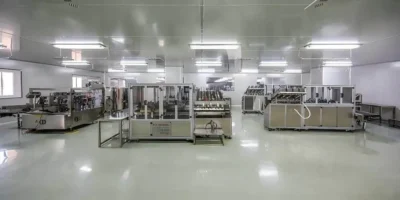
Modern cosmetics factories leverage advanced technology to ensure precision, efficiency, and consistency. Automated production lines, AI-driven quality checks, and smart inventory management systems are no longer optional—they’re essential for staying competitive. For example, ISO 22716 certification** (the global standard for cosmetics manufacturing) requires factories to implement strict quality management systems, including cleanroom environments and traceable supply chains. Factories that invest in such technology not only produce higher-quality products but also reduce waste and meet regulatory requirements.
2. Sustainable and Ethical Practices
Consumers today demand transparency and sustainability from the brands they support. A leading cosmetics factory prioritizes eco-friendly practices, such as using renewable energy, reducing water consumption, and minimizing packaging waste. Ethical sourcing of raw materials—like organic ingredients and cruelty-free testing—is also a key differentiator. For instance, factories that partner with fair-trade suppliers or use recycled materials not only appeal to conscious consumers but also build long-term brand loyalty.
How to Choose the Right Cosmetics Factory for Your Brand
Selecting a cosmetics factory is one of the most critical decisions for a beauty brand. The right partner can elevate your product quality, reduce costs, and accelerate time-to-market. Here’s what to look for when evaluating potential factories:
1. Certifications and Compliance
Before partnering with a factory, verify their certifications. **GMP (Good Manufacturing Practices)** and **ISO 22716** are non-negotiable for ensuring product safety and quality. Additionally, check if the factory complies with regional regulations, such as the EU’s REACH (Registration, Evaluation, Authorization, and Restriction of Chemicals) or the FDA’s guidelines for cosmetics in the U.S. A factory that meets these standards demonstrates a commitment to excellence and regulatory compliance.
2. Customization and R&D Capabilities
Every brand has unique needs, from formula development to packaging design. A top cosmetics factory offers **customization services**, including private labeling, formula creation, and packaging solutions. Look for factories with in-house R&D teams that can help you innovate—whether it’s developing a new skincare line or improving an existing product. Factories with strong R&D capabilities can also help you stay ahead of industry trends, such as the rise of clean beauty or personalized skincare.
The Future of Cosmetics Manufacturing: Trends to Watch in 2024
The cosmetics industry is evolving rapidly, driven by technological advancements and changing consumer preferences. Here are the key trends shaping the future of cosmetics factories:
1. Personalization and AI-Driven Formulations
Consumers are increasingly seeking personalized beauty products tailored to their unique skin types and concerns. Cosmetics factories are responding by integrating AI and machine learning into their R&D processes. For example, some factories use AI algorithms to analyze consumer data and create custom formulas, while others offer **3D-printed skincare products** that are made-to-order. This trend not only enhances the consumer experience but also reduces waste by producing only what’s needed.
2. Circular Economy and Zero-Waste Manufacturing
The circular economy is gaining traction in the cosmetics industry, with factories focusing on reducing waste and reusing resources. This includes using recycled packaging, implementing closed-loop production systems, and repurposing byproducts. For instance, some factories convert leftover ingredients into new products or use biodegradable materials for packaging. By embracing the circular economy, cosmetics factories can reduce their environmental footprint and appeal to eco-conscious consumers.
Conclusion: Why Your Cosmetics Factory Choice Matters
The cosmetics factory you choose is more than just a supplier—it’s a strategic partner that can make or break your brand. From quality control to sustainability, the right factory will align with your brand’s values and help you stand out in a crowded market. By prioritizing technology, ethics, and innovation, you can ensure that your products not only meet consumer expectations but also drive long-term success. Whether you’re a startup or an established brand, investing in a top-tier cosmetics factory is an investment in your brand’s future.
Disclaimer: This article is for informational purposes only and does not constitute professional advice. Always conduct thorough research before partnering with a cosmetics factory.*