

The cosmetics industry is a dynamic and ever-evolving sector, with consumers increasingly seeking products that are not only effective but also safe, sustainable, and tailored to their specific needs. Behind every successful cosmetic product lies a well-equipped and efficient cosmetics factory, where innovation, quality control, and regulatory compliance come together to create products that meet the highest standards. In this comprehensive guide, we will explore the world of cosmetics factories, from their core functions and manufacturing processes to the latest trends and technologies shaping the industry.
1. The Role of a Cosmetics Factory in the Beauty Industry
1.1 From Concept to Shelf: The End-to-End Production Cycle
A cosmetics factory is responsible for transforming raw materials into finished products that are ready for distribution and sale. This process involves several key stages, including research and development (R&D), formulation, testing, production, packaging, and quality control. Each stage is critical to ensuring that the final product meets the desired specifications and regulatory requirements. For example, R&D teams work to develop innovative formulas that address specific skin concerns, while production teams ensure that these formulas are scaled up efficiently and consistently.
1.2 Ensuring Quality and Safety: The Importance of Regulatory Compliance
Regulatory compliance is a cornerstone of the cosmetics industry, with factories required to adhere to strict guidelines set by organizations such as the U.S. Food and Drug Administration (FDA), the European Union’s Cosmetics Regulation (EC) No 1223/2009, and other regional authorities. These regulations cover everything from ingredient safety and labeling to manufacturing practices and product testing. A reputable cosmetics factory will have robust quality control systems in place to ensure that all products meet these standards, including regular testing for contaminants, stability, and efficacy.
2. Key Components of a Modern Cosmetics Factory
2.1 State-of-the-Art Manufacturing Facilities
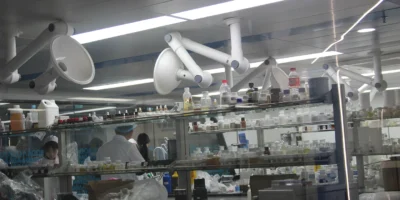
Modern cosmetics factories are equipped with advanced machinery and technology to streamline production processes and ensure consistency. This includes automated mixing and filling equipment, which can handle large volumes of products with precision. For example, high-shear mixers are used to blend ingredients into homogeneous formulations, while filling machines ensure that each product is dispensed accurately into its container. Additionally, many factories use cleanroom environments to minimize the risk of contamination, especially for products that come into direct contact with the skin.
2.2 Sustainable Practices: Reducing Environmental Impact
As consumers become more environmentally conscious, cosmetics factories are increasingly adopting sustainable practices to reduce their carbon footprint. This includes using eco-friendly raw materials, such as plant-based ingredients and recycled packaging, as well as implementing energy-efficient manufacturing processes. Some factories also invest in renewable energy sources, such as solar panels, to power their operations. By prioritizing sustainability, cosmetics factories not only contribute to a greener planet but also appeal to eco-conscious consumers who are willing to pay a premium for environmentally friendly products.
3. Trends Shaping the Future of Cosmetics Factories
3.1 Personalization and Customization: Meeting Individual Needs
One of the most significant trends in the cosmetics industry is the demand for personalized products. Consumers are no longer satisfied with one-size-fits-all solutions; instead, they want products that are tailored to their unique skin types, concerns, and preferences. To meet this demand, cosmetics factories are investing in technologies such as 3D printing and AI-driven formulation tools, which allow for the creation of customized products on a large scale. For example, some factories use AI algorithms to analyze a customer’s skin data and recommend personalized skincare formulations, which are then produced on-demand.
3.2 Clean Beauty: The Rise of Natural and Organic Products
Clean beauty has become a major trend in recent years, with consumers seeking products that are free from harmful chemicals, synthetic fragrances, and animal testing. Cosmetics factories are responding to this demand by developing natural and organic formulations using ingredients such as plant extracts, essential oils, and mineral-based pigments. These products are not only better for the skin but also for the environment, as they are often produced using sustainable farming practices. As the clean beauty movement continues to grow, cosmetics factories will need to adapt their processes to meet the increasing demand for these products.
4. Choosing the Right Cosmetics Factory for Your Brand
4.1 Factors to Consider When Selecting a Manufacturing Partner
When choosing a cosmetics factory, it is important to consider several key factors, including the factory’s experience, capabilities, and reputation. For example, a factory with a proven track record in producing high-quality products is more likely to deliver consistent results. Additionally, it is important to ensure that the factory has the necessary certifications, such as ISO 22716 (Good Manufacturing Practice for Cosmetics), which demonstrates its commitment to quality and safety. Other factors to consider include the factory’s capacity, lead times, and ability to accommodate custom formulations.
4.2 The Benefits of Working with a Contract Manufacturing Organization (CMO)
Many brands choose to work with contract manufacturing organizations (CMOs) instead of building their own factories. CMOs specialize in producing cosmetics on behalf of other brands, offering a range of services from formulation development to packaging and distribution. Working with a CMO can be cost-effective, as it eliminates the need for brands to invest in their own manufacturing facilities and equipment. Additionally, CMOs often have access to the latest technologies and expertise, which can help brands stay ahead of the competition.
5. Conclusion: The Future of Cosmetics Manufacturing
The cosmetics industry is constantly evolving, driven by changing consumer preferences, technological advancements, and regulatory requirements. Cosmetics factories play a critical role in this evolution, as they are responsible for turning innovative ideas into high-quality products that meet the needs of consumers. By embracing new technologies, sustainable practices, and personalized solutions, cosmetics factories can position themselves for success in the years to come. Whether you are a brand looking to launch a new product or a consumer interested in learning more about the products you use, understanding the role of cosmetics factories is essential to making informed decisions in the beauty industry.