

China has emerged as a global leader in the cosmetics industry, with its cosmetic factories renowned for their advanced technology, cost-effectiveness, and ability to meet the diverse needs of international brands. In this guide, we will explore the key factors that make Chinese cosmetic factories stand out, from their state-of-the-art facilities and regulatory compliance to their focus on innovation and sustainability.
1. The Rise of Chinese Cosmetic Factories: A Global Perspective
1.1 Historical Evolution: From OEM to ODM Leader
Chinese cosmetic factories have come a long way since their early days as original equipment manufacturers (OEMs). Today, many factories have transitioned to original design manufacturers (ODMs), offering end-to-end solutions from formulation development to packaging design. This evolution has been driven by investments in R&D, advanced manufacturing technologies, and a deep understanding of global market trends. For example, factories in Guangdong province, a hub for cosmetics manufacturing, have become known for their expertise in producing high-quality skincare and makeup products for international brands.
1.2 Global Market Share: China’s Impact on the Cosmetics Industry
China’s cosmetic factories play a crucial role in the global cosmetics market, accounting for a significant share of production for both domestic and international brands. According to industry reports, China is the world’s second-largest cosmetics market, with a growing demand for high-quality products. Chinese factories are able to meet this demand by leveraging their scale, efficiency, and access to a vast network of raw material suppliers. This has made China a preferred manufacturing destination for brands looking to reduce costs without compromising on quality.
2. Key Features of Top Chinese Cosmetic Factories
2.1 State-of-the-Art Facilities and Technology
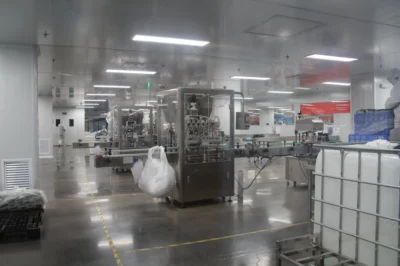
Top Chinese cosmetic factories are equipped with advanced machinery and technology to ensure precision and consistency in production. This includes automated mixing and filling equipment, cleanroom environments, and advanced testing laboratories. For example, a factory may use high-speed filling machines to produce thousands of units per hour, or use HPLC (High-Performance Liquid Chromatography) to analyze the purity of raw materials. These technologies not only improve efficiency but also ensure that products meet the highest quality standards.
2.2 Regulatory Compliance: Meeting Global Standards
Chinese cosmetic factories are subject to strict regulatory requirements, both domestic and international. This includes compliance with China’s Cosmetic Supervision and Administration Regulations (CSAR), as well as international standards such as ISO 22716 and GMP. Factories must undergo regular audits to ensure they meet these standards, which cover everything from ingredient safety and labeling to manufacturing practices. By adhering to these regulations, Chinese factories can export their products to global markets with confidence.
3. Innovation and R&D in Chinese Cosmetic Factories
3.1 Formulation Development: Creating Cutting-Edge Products
Chinese cosmetic factories invest heavily in R&D to develop innovative formulations that meet the evolving needs of consumers. This includes research into active ingredients, such as hyaluronic acid and retinol, as well as the development of new delivery systems to enhance product efficacy. For example, a factory may use nanotechnology to encapsulate active ingredients, allowing them to penetrate deeper into the skin. By focusing on innovation, Chinese factories can create products that stand out in a competitive market.
3.2 Customization and Private Label Services
Many Chinese cosmetic factories offer customization and private label services, allowing brands to create unique products tailored to their target audience. This includes custom formulations, packaging design, and branding. For example, a factory may work with a brand to develop a personalized skincare line for sensitive skin, or create a custom lipstick shade for a celebrity collaboration. By offering these services, Chinese factories can build long-term partnerships with brands and help them differentiate themselves in the market.
4. Sustainability Practices in Chinese Cosmetic Factories
4.1 Eco-Friendly Raw Materials and Packaging
Sustainability is a growing focus for Chinese cosmetic factories, with many adopting eco-friendly practices to reduce their environmental impact. This includes using renewable raw materials, such as plant-based oils and organic extracts, as well as recycled and biodegradable packaging. For example, a factory may source shea butter from fair-trade cooperatives in Africa, or use packaging made from recycled plastic or bamboo. By prioritizing sustainability, Chinese factories can appeal to eco-conscious consumers and meet the demands of international brands.
4.2 Energy Efficiency and Waste Reduction
Chinese cosmetic factories are also implementing energy-efficient practices to reduce their carbon footprint. This includes using solar panels to power manufacturing facilities, installing energy-efficient lighting, and optimizing production processes to minimize waste. For instance, a factory may use closed-loop systems to recycle water used in production, or implement zero-waste initiatives to reduce the amount of packaging waste sent to landfills. By adopting these practices, Chinese factories can not only reduce their environmental impact but also save on operational costs.
5. Choosing the Right Chinese Cosmetic Factory for Your Brand
5.1 Factors to Consider When Selecting a Manufacturing Partner
When choosing a Chinese cosmetic factory, it is important to consider several key factors, including the factory’s experience, capabilities, and reputation. For example, a factory with a proven track record in producing high-quality products for international brands is more likely to deliver consistent results. Additionally, it is important to ensure that the factory has the necessary certifications, such as ISO 22716 and GMP, which demonstrate its commitment to quality and safety. Other factors to consider include the factory’s capacity, lead times, and ability to accommodate custom formulations.
5.2 The Benefits of Working with Chinese Cosmetic Factories
Working with a Chinese cosmetic factory offers several benefits, including cost-effectiveness, access to advanced technology, and a vast network of suppliers. Chinese factories are able to offer competitive pricing due to their scale and efficiency, making them an attractive option for brands looking to reduce production costs. Additionally, Chinese factories have access to the latest manufacturing technologies and R&D capabilities, allowing them to create innovative products that meet the needs of global consumers. By partnering with a Chinese factory, brands can leverage these advantages to grow their business and expand into new markets.
6. Trends Shaping the Future of Chinese Cosmetic Factories
6.1 Digitalization and Smart Manufacturing
Digitalization is transforming the cosmetics industry, with Chinese factories embracing smart manufacturing technologies to improve efficiency and productivity. This includes the use of AI and machine learning to optimize production processes, as well as the implementation of IoT (Internet of Things) devices to monitor equipment performance. For example, a factory may use AI algorithms to predict equipment maintenance needs, or use IoT sensors to track the quality of raw materials. By embracing digitalization, Chinese factories can stay ahead of the competition and deliver high-quality products more efficiently.
6.2 Clean Beauty and Natural Formulations
Clean beauty has become a major trend in the cosmetics industry, with consumers seeking products that are free from harmful chemicals, synthetic fragrances, and animal testing. Chinese cosmetic factories are adapting to this trend by developing natural and organic formulations using ingredients such as aloe vera, green tea, and coconut oil. These products are not only better for the skin but also for the environment, as they are often produced using sustainable farming practices. As the clean beauty movement continues to grow, Chinese factories will need to invest in research and development to create innovative products that meet consumer demand.
7. Conclusion: The Future of Chinese Cosmetic Factories
Chinese cosmetic factories have established themselves as global leaders in the cosmetics industry, thanks to their advanced technology, regulatory compliance, and focus on innovation and sustainability. As the industry continues to evolve, Chinese factories will need to adapt to changing consumer preferences and technological advancements to remain competitive. By embracing digitalization, sustainable practices, and personalized solutions, Chinese cosmetic factories can position themselves for success in the years to come. Whether you are a brand looking to launch a new product or a consumer interested in learning more about the products you use, understanding the role of Chinese cosmetic factories is essential to making informed decisions in the beauty industry.