

Introduction to Makeup Manufacturing Cost in China
China has emerged as the world’s leading manufacturing hub for cosmetics, offering competitive pricing and advanced production capabilities. Understanding the Makeup Manufacturing Cost in China is critical for global brands looking to optimize their supply chain and maximize profitability. This comprehensive guide will break down the key cost components, regional variations, and strategic insights to help you make informed decisions.
Why China Dominates Global Makeup Manufacturing
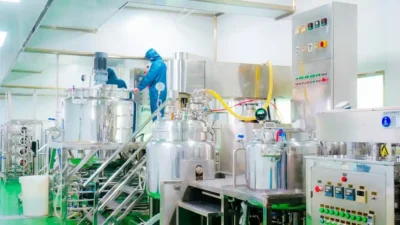
China’s dominance in makeup manufacturing stems from several key factors: economies of scale, a robust supply chain, skilled labor, and government support for the cosmetics industry. The country produces over 30% of the world’s cosmetics, making it an indispensable partner for brands worldwide.
Key Cost Drivers in Chinese Makeup Production
The cost of manufacturing makeup in China is influenced by raw material costs, labor expenses, regulatory compliance, and logistics. By analyzing these drivers, brands can identify opportunities to reduce costs without compromising quality.
Breakdown of Makeup Manufacturing Costs in China
To accurately calculate the Makeup Manufacturing Cost in China, it’s essential to understand the individual components that contribute to the final price. Here’s a detailed breakdown:
Raw Material Costs: The Foundation of Production
Raw materials account for 30-50% of the total manufacturing cost. Key ingredients include pigments, emollients, preservatives, and packaging materials. China’s access to a wide range of raw material suppliers allows for competitive pricing, especially for bulk orders.
Labor Costs: Balancing Skill and Affordability
Labor costs in China are significantly lower than in Western countries, with skilled production workers earning between $300-$500 per month. This cost advantage is a major reason why global brands choose to manufacture in China.
Regulatory Compliance: Ensuring Product Safety
China has strict regulations for cosmetics production, including the Cosmetic Supervision and Administration Regulation (CSAR). Compliance with these regulations requires investment in testing, documentation, and quality control, which adds to the overall cost.
Logistics and Distribution: Getting Products to Market
Logistics costs include transportation from the factory to ports, customs clearance, and international shipping. China’s well-developed infrastructure and proximity to major shipping lanes help minimize these costs for global brands.
Regional Variations in Makeup Manufacturing Costs
The Makeup Manufacturing Cost in China varies significantly by region, with coastal areas offering higher efficiency but higher costs, while inland regions provide lower labor expenses. Here’s a comparison of key manufacturing hubs:
Guangdong Province: The Cosmetics Capital
Guangdong, particularly Guangzhou, is the heart of China’s cosmetics industry. Home to over 2,000 manufacturers, it offers a complete supply chain and access to skilled labor. However, costs here are slightly higher than in inland regions.
Zhejiang Province: Innovation and Quality
Zhejiang is known for its focus on innovation and high-quality production. Manufacturers here often specialize in premium makeup products, with costs reflecting the advanced technology and quality control measures.
Jiangsu Province: Balancing Cost and Quality
Jiangsu offers a balance between cost and quality, with manufacturers providing competitive pricing without compromising on production standards. This makes it an attractive option for mid-range brands.
Strategies to Optimize Makeup Manufacturing Costs in China
To maximize profitability, brands need to implement strategic cost optimization measures. Here are some effective strategies:
Bulk Purchasing of Raw Materials
Buying raw materials in bulk can significantly reduce costs. Many Chinese manufacturers offer discounts for large orders, making it essential to plan production volumes carefully.
Streamlining Production Processes
Implementing lean manufacturing principles can reduce waste and improve efficiency. This includes optimizing production lines, reducing downtime, and improving inventory management.
Partnering with Local Manufacturers
Working with local manufacturers who understand the Chinese market can help brands navigate regulatory requirements and reduce costs. Local partners can also provide valuable insights into consumer preferences and market trends.
Case Studies: Successful Cost Optimization in Chinese Makeup Manufacturing
To illustrate the effectiveness of these strategies, here are two case studies of global brands that have successfully optimized their Makeup Manufacturing Cost in China:
Case Study 1: A Global Cosmetics Brand
A leading global cosmetics brand reduced its manufacturing costs by 25% by switching to bulk raw material purchases and streamlining its production processes. The brand also partnered with a local manufacturer in Guangdong to leverage their expertise in regulatory compliance.
Case Study 2: A Startup Beauty Brand
A startup beauty brand was able to enter the market at a competitive price point by manufacturing in Jiangsu. By working with a local manufacturer, the brand reduced its initial investment and quickly scaled production to meet demand.
Future Trends in Makeup Manufacturing Costs in China
The Makeup Manufacturing Cost in China is expected to evolve in the coming years, driven by technological advancements and changing market dynamics. Here are some key trends to watch:
Automation and AI in Production
The adoption of automation and AI in manufacturing is expected to reduce labor costs and improve efficiency. This will help Chinese manufacturers maintain their competitive edge in the global market.
Sustainable Manufacturing Practices
Consumers are increasingly demanding sustainable products, which is driving manufacturers to adopt eco-friendly production methods. While this may increase initial costs, it can lead to long-term savings and improved brand reputation.
Shifting Supply Chains
The ongoing trade tensions between China and other countries may lead to shifts in supply chains. However, China’s strong manufacturing infrastructure and skilled labor force are likely to keep it as a key player in the global cosmetics industry.
Conclusion: Making Informed Decisions About Makeup Manufacturing in China
Understanding the Makeup Manufacturing Cost in China is essential for global brands looking to stay competitive in the cosmetics market. By analyzing the key cost components, regional variations, and strategic optimization measures, brands can make informed decisions that maximize profitability and ensure long-term success. Whether you’re a established brand or a startup, China offers a wealth of opportunities for cost-effective and high-quality makeup manufacturing.
For more information on how to optimize your makeup manufacturing costs in China, contact our team of experts today. We can help you navigate the complex landscape of Chinese manufacturing and find the best solutions for your brand.