

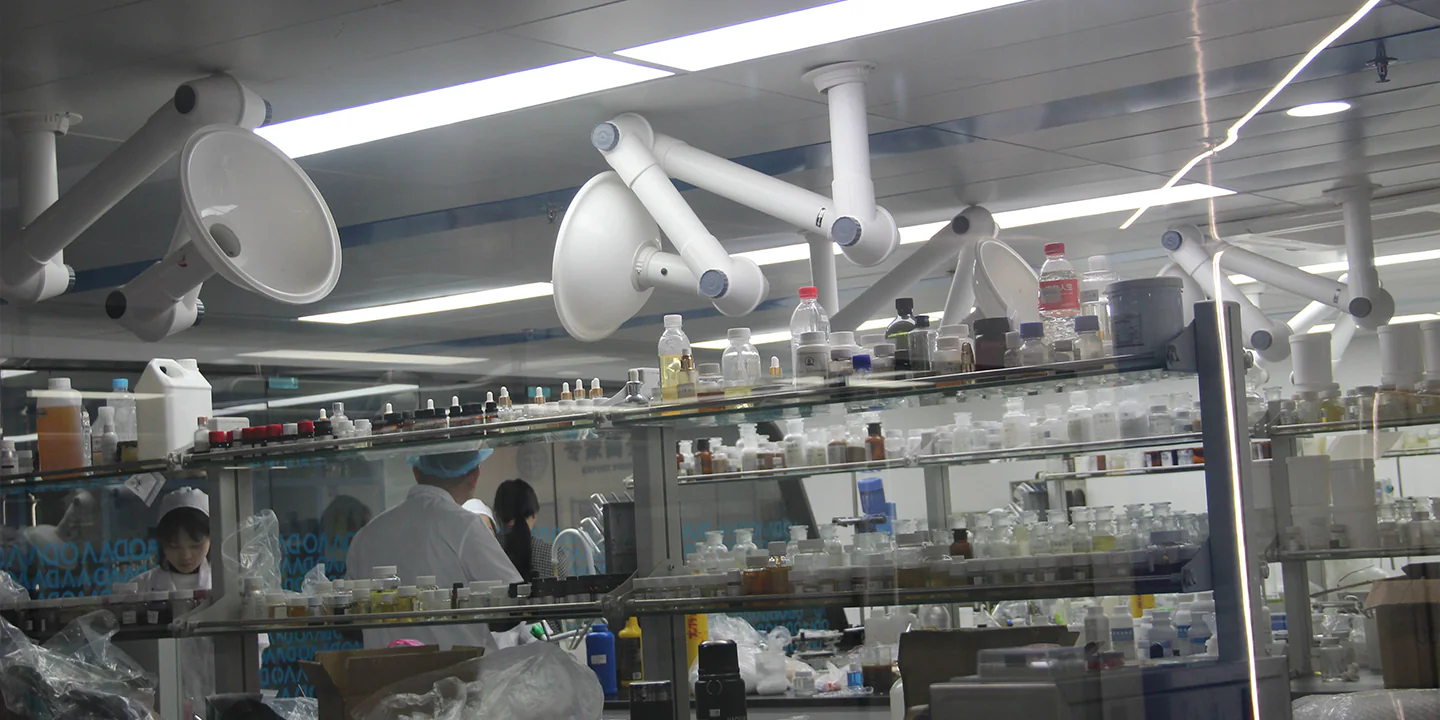
Let’s be real for a second. Launching a clean beauty brand is exciting until you actually have to get the stuff made. You’ve probably spent months tweaking your brand identity, nailing down your packaging aesthetics, and building your audience. But when it comes to finding a reliable organic cosmetics manufacturer, the whole process can feel like a massive shot in the dark.
Are they actually using certified organic ingredients, or just greenwashing? Will your emulsion separate after three months on a shelf? Are their lead times going to kill your launch strategy?
If you are tired of dealing with factories that overpromise and underdeliver, you are in the right place. We are pulling back the curtain on the OEM/ODM industry to show you exactly how to vet, partner with, and scale your brand with the right manufacturing partner.
Ready to skip the trial and error and get straight to production? Let’s chat about your project. Message us right now on WhatsApp +86 134 8026 8601 for a free formulation consultation.
The Real Deal About Sourcing an Organic Cosmetics Manufacturer
Finding a factory that says they do “natural” products is easy. Finding a true organic cosmetics manufacturer who understands the chemical complexities of plant-based compounding? That’s a totally different ballgame.
Why “Certified Organic” Actually Matters to Your Bottom Line
Consumers are smarter than ever. They read INCI lists. They use apps to scan barcodes. If your label says “organic” but your formulation is packed with cheap synthetic fillers and questionable thickeners, your brand reputation will tank overnight. Working with a dedicated organic cosmetics manufacturer ensures your raw material supply chain is actually verified. A good factory doesn’t just mix ingredients; they provide the paperwork—certificates of analysis (COAs) and material safety data sheets (MSDS)—to back up every single botanical extract in your formula. This isn’t just about compliance; it’s about giving your marketing team the bulletproof claims they need to sell your product at a premium price point.
The Hidden Costs of Partnering with the Wrong Factory
Here’s a hard truth: cheap formulation fees usually mean expensive headaches later. When you partner with a cut-rate manufacturer, you aren’t saving money; you are just shifting the cost to product recalls, unstable batches, and pissed-off customers. We’ve seen brand founders lose tens of thousands of dollars because a factory didn’t properly stress-test an organic preservative system, leading to mold growth in their lotions just weeks after filling. A legitimate organic cosmetics manufacturer builds stability testing (freeze-thaw cycles, high-temp incubator tests) right into the prototyping phase so you don’t get burned.
Don’t let a bad batch ruin your brand’s launch. Partner with a factory that gets it right the first time. Drop us a line on WhatsApp +86 134 8026 8601 and let’s discuss your custom formulation.
Decoding the Formulation Process: What Your Lab Isn’t Telling You
The chemistry of clean beauty is notoriously difficult. Unlike conventional cosmetics where you can just throw in some parabens and silicones to make a cream feel silky and last forever, organic formulations require serious engineering.
Plant-Based vs. Synthetics: Bridging the Efficacy Gap
One of the biggest complaints brand owners have when switching to an organic cosmetics manufacturer is the “skin feel.” Natural emulsifiers and thickeners (like xanthan gum or cetearyl alcohol derived from plants) can sometimes feel soapy, tacky, or heavy. A top-tier chemical engineer knows how to bridge this gap. They understand how to manipulate natural lipids, esters, and botanical silicon alternatives to create that luxurious, high-end slip your customers expect, without compromising your clean ingredient ethos.
Preservative Systems in Clean Beauty (The Hard Truth)
Let’s talk about the elephant in the lab: preservatives. Water-based organic products are basically an all-you-can-eat buffet for bacteria. If a factory tells you they can make an organic, water-based face cream with a 3-year shelf life using zero preservatives, run the other way. They are lying. A credible organic cosmetics manufacturer will use broad-spectrum, naturally derived preservation systems (like radish root ferment filtrate, potassium sorbate, or naturally derived phenoxyethanol if your standard allows it) and they will challenge-test the hell out of it.
Struggling to get that perfect texture without using silicones? Our senior chemists can fix your formula. Hit us up on WhatsApp +86 134 8026 8601 to start your prototyping phase.
Scalability and Lead Times: Making the Jump from Kitchen to Mass Production
It’s one thing to make a flawless 1-kilo bench sample. It is a completely different beast to scale that exact same formula up to a 500kg compounding vat without ruining the texture or frying the active ingredients.
MOQs (Minimum Order Quantities) Demystified for Indie Brands
If you are an indie brand, the term “MOQ” probably keeps you up at night. Standard factories often demand 10,000 to 20,000 pieces per SKU, which totally ties up your cash flow. However, a flexible organic cosmetics manufacturer understands the lifecycle of a modern brand. Look for an OEM/ODM partner who offers reasonable pilot runs (like 1,000 to 3,000 pieces). This allows you to test the market, get actual customer feedback, and iterate before you commit to a massive bulk order.
Supply Chain Bottlenecks in the Raw Material Market
Organic raw materials are subject to crop yields, weather conditions, and global supply chain disruptions. If your factory uses a rare organic rosehip oil from a single farm, what happens when that farm has a bad season? Your production halts. A seasoned manufacturer operates with a diversified supply chain. They have secondary and tertiary vetted suppliers for every critical ingredient on your INCI list, ensuring your lead times stay tight—usually around 30 to 45 days—no matter what the global market is doing.
Need a flexible MOQ to get your brand off the ground without tying up all your capital? We’ve got you covered. Send us your requirements on WhatsApp +86 134 8026 8601.
Certifications, Audits, and Compliance: Navigating the Red Tape
You can have the best product in the world, but if it gets held up at customs or gets flagged by the FDA, you’re dead in the water.
GMP, ISO, and Clean Beauty Standards: What Do You Actually Need?
Don’t get blinded by alphabet soup, but do pay attention to the basics. At a bare minimum, your organic cosmetics manufacturer must be ISO 22716 certified and operate under strict Good Manufacturing Practices (GMP). If you are targeting the European market, they need to understand the EU Cosmetics Regulation and help you compile your PIF (Product Information File). If you want the actual “Certified Organic” badge on your packaging (like COSMOS or ECOCERT), the factory itself must be audited and certified to handle those materials, ensuring there is zero cross-contamination on the filling lines.
How to Ace Factory Audits Without Losing Your Mind
Transparency is everything. A trustworthy partner will gladly show you their reverse osmosis water purification systems, their clean-room filling lines, and their raw material quarantine protocols. Even if you can’t fly out for a physical tour, they should be offering comprehensive virtual tours via video call. They should be able to walk you through their standard operating procedures (SOPs) for equipment sterilization between batches. If they are hiding the production floor, they are probably hiding sloppy practices.
How to Vet a White Label or Private Label Partner Like a Pro
Whether you are looking for a completely custom formulation (ODM) or you want to put your brand on an existing, tested organic base (Private Label/White Label), how you interview the factory matters.
The Essential Checklist for Your First Factory Tour (Even Virtual)
When you get on a call with a potential organic cosmetics manufacturer, don’t just ask about price. Ask the hard operational questions:
-
“What is your standard protocol if a batch fails micro-testing?”
-
“Can I own the custom IP/formula once I hit a certain order threshold?”
-
“How do you handle temperature-sensitive organic actives during the compounding phase?” The way they answer these questions will instantly tell you if you are dealing with a sales middleman or a direct, experienced manufacturer.
Red Flags to Watch Out For During Prototyping
Pay close attention to the sampling phase. If it takes them six weeks to send you a simple base modification, imagine how long actual production will take. Furthermore, if they send you samples without a detailed ingredient breakdown or basic stability data, it’s a massive red flag. Your manufacturing partner should act as an extension of your own business, communicating clearly, setting realistic timelines, and proactively solving problems before they hit the filling line.
Stop wasting time with middlemen and factories that don’t understand clean beauty. Work directly with the source. Let’s build your next best-seller together. Contact us directly on WhatsApp +86 134 8026 8601.