

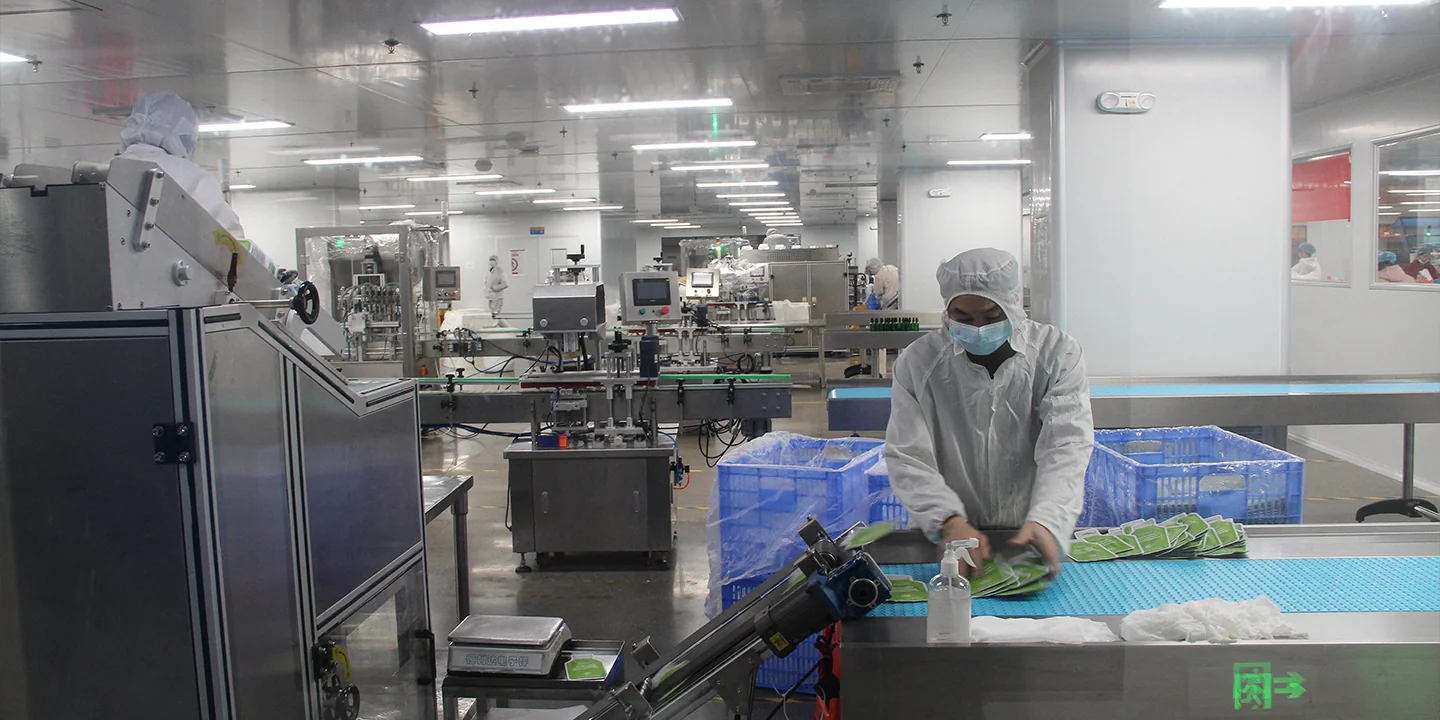
Let’s be real for a second. You’ve spent months—maybe even years—perfecting your formulation. You’ve tested it, tweaked it, and finally nailed that perfect texture and scent. But here is the hard truth: if your product leaks in transit, has a crooked label, or is packaged in a way that feels cheap, your customers won’t buy it again.
That is exactly where a top-tier cosmetic filler and packager steps into the spotlight.
Finding the right manufacturing partner isn’t just about dumping liquid into a bottle. It’s about protecting your brand’s reputation, ensuring product stability, and getting your items on the retail shelf on time. If you are tired of dealing with messy production runs, delayed launches, and inconsistent quality, it’s time to look behind the curtain and understand exactly what a professional filling and packaging partner can do for your bottom line.
The Unsung Heroes of the Beauty Industry: What Does a Cosmetic Filler and Packager Actually Do?
When you outsource your production to a specialized facility, you’re not just renting machines; you’re hiring an entire ecosystem of quality control, engineering, and logistics. Let’s break down the two main phases of this process.
Breaking Down the Filling Process
Filling cosmetics is a highly technical process. It’s not just about volume; it’s about viscosity, temperature control, and precision. A professional cosmetic filler and packager has specialized machinery to handle everything from water-thin toners to incredibly thick, wax-based balms.
If you’re dealing with hot-pour products like lipsticks or solid deodorants, the facility needs cooling tunnels to solidify the product quickly without creating air bubbles or “cratering” on the surface. For active ingredients like Vitamin C or Retinol, the filling environment must often be purged with nitrogen to prevent oxidation before the cap even goes on.
The Art and Science of Packaging
Once the product is in the primary container, the packaging phase kicks in. This involves capping, torquing (tightening the cap to the exact right pressure so it doesn’t leak but can still be opened by a human), labeling, and coding (printing batch numbers and expiration dates).
A slight calibration error in the labeling machine can result in thousands of bottles with wrinkled or off-center labels. A solid partner ensures that every single unit looks identical to the approved golden sample.
Ready to stop stressing over production bottlenecks? Let’s chat about your next big launch. Drop us a message on WhatsApp +86 134 8026 8601 for a free consultation on your filling and packaging needs.
Why Partnering with a Pro is a Total Game Changer for Your Brand
A lot of indie brands start by hand-pouring in small batches. It’s romantic, sure, but it’s completely unscalable. When it’s time to grow, bringing in a dedicated cosmetic filler and packager is the smartest financial move you can make.
Slashing Overhead and Capital Expenditures
Have you priced out a multi-head inline piston filler recently? How about a high-speed wrap-around labeler? The capital required to build a compliant, commercial-grade cosmetics factory is astronomical. By partnering with an established cosmetic filler and packager, you instantly bypass these massive upfront costs. You pay for the service and the output, avoiding the nightmare of machine maintenance, factory rent, and staffing an entire production floor.
Scaling Production Without Sacrificing Quality
When you hit that viral moment on social media and suddenly need 50,000 units instead of 5,000, an in-house manual setup will break down. A professional partner has the infrastructure to scale up your production almost overnight. They run multiple lines, shift schedules, and have the supply chain relationships to source raw materials and packaging components fast.
Scaling up doesn’t have to be a headache. If you’re looking for a reliable factory partner to handle your high-volume runs, reach out to us on WhatsApp +86 134 8026 8601. We’ve got the machinery and the manpower to make it happen.
Key Capabilities to Look For in a Manufacturing Partner
Not all factories are created equal. When you are auditing a potential cosmetic filler and packager, you need to look past the sales pitch and examine their actual capabilities on the floor.
Versatility in Viscosity: From Serums to Thick Creams
Your brand likely has a diverse product range. You might have a micellar water (low viscosity) and a rich night cream (high viscosity). Your partner needs different types of filling nozzles and pumps to handle these. Gravity fillers work great for liquids, but you’ll need piston fillers or positive displacement pumps for thicker creams and pastes. If a factory only has one type of machine, they are going to struggle with a diverse product line.
Advanced Machinery: Inline vs. Rotary Fillers
Ask them about their setup. Inline fillers are great for flexibility and faster changeovers between different bottle shapes. Rotary fillers, on the other hand, are the heavy lifters for massive, continuous high-speed runs. A top-tier cosmetic filler and packager will have a mix of both to accommodate different order sizes and container styles efficiently.
Quality Control and Compliance: Non-Negotiables for Your Brand
In the beauty game, safety is everything. If a contaminated batch reaches the market, the recall costs and brand damage can be fatal. Quality control isn’t a “nice to have”—it’s the whole ballgame.
Navigating GMP and ISO Certifications
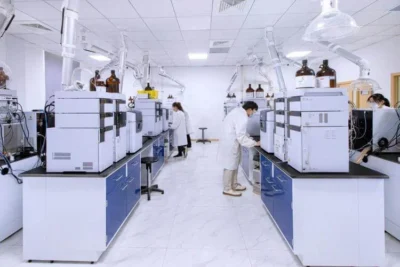
Never work with a cosmetic filler and packager that doesn’t operate under strict Good Manufacturing Practices (GMP). Look for ISO 22716 certification. This proves they have rigorous protocols for hygiene, raw material handling, and facility cleanliness. Cleanrooms (like Class 100,000 dust-free workshops) are essential, especially when filling products destined for the eye area or products with minimal preservatives.
Rigorous Testing Protocols During Production
Quality checks shouldn’t just happen at the end. Your partner should be doing inline testing. This includes checking fill weights every few minutes to ensure legal compliance, testing torque levels on caps, and visually inspecting labels. They should also hold retention samples from every batch so that if a customer complains six months down the line, you have a baseline to test against.
Need a partner who understands the strict quality standards of the beauty industry? We’ve got you covered from formulation to final box. Connect with our production team today via WhatsApp +86 134 8026 8601.
The Packaging Phase: Turning Bulk Formulations into Retail-Ready Stars
Consumers buy with their eyes first. The way your product feels in their hands dictates how much they are willing to pay for it. A great cosmetic filler and packager knows how to elevate your presentation.
Primary vs. Secondary Packaging Services
Primary packaging is the container that touches the product (the jar, the tube, the bottle). Secondary packaging is the box it goes into. But it doesn’t stop there. Think about tertiary packaging—the master cartons used for shipping. A full-turnkey partner will assemble the primary container, drop it into a customized folding carton, add an instructional insert, apply a tamper-evident shrink band, and pack it safely into master shipper boxes ready for retail distribution.
Eco-Friendly and Sustainable Packaging Innovations
Sustainability isn’t just a trend; it’s a consumer demand. If your brand is pivoting to post-consumer recycled (PCR) plastics, glass, or refillable aluminum systems, your filler needs to know how to handle these materials. Glass, for instance, requires much gentler handling on the conveyor belts to prevent micro-fractures, while paper-based tubes require specific sealing temperatures.
Looking for custom packaging solutions that make your brand pop on the shelf? Let’s discuss your vision. Send us your ideas on WhatsApp +86 134 8026 8601 and let’s bring them to life.
Avoiding Nightmare Scenarios: Red Flags in Potential Partners
We’ve seen brands get burned badly by making the wrong choice. Keep your eyes peeled for these major warning signs when vetting a new facility.
Unclear Communication and Hidden Costs
If a factory takes three days to reply to a basic email, run. Communication breakdowns during the sampling phase will multiply tenfold during actual production. Also, watch out for “nickel and diming.” Make sure the quote you receive is fully loaded. Does it include the cost of batch coding? Shrink wrapping? Palletizing? A trustworthy cosmetic filler and packager is totally transparent about their fee structure.
Unrealistic Lead Times and MOQ Games
If a factory promises a lead time that sounds too good to be true, it probably is. Standard turnaround times in this industry hover around 30 to 60 days after all components are in-house. If someone promises two weeks from scratch, they are likely cutting massive corners. Additionally, beware of bait-and-switch Minimum Order Quantities (MOQs). Ensure the agreed-upon MOQ is locked into your contract before you transfer your formulation.
Step-by-Step: Transitioning Your Formula to a New Facility
So, you’ve found the right partner. How do you actually move your production over without missing a beat?
The Tech Transfer and Pilot Run Stage
You don’t just email a recipe and hope for the best. A professional transition starts with a “tech transfer.” Your chemists and the factory’s engineers will review the formula. Then, you absolutely must do a pilot run. This is a small-scale production test to ensure the product behaves the same way on commercial machinery as it did in the lab beakers. It tests for shearing, aeration, and temperature stability.
Establishing Clear SOPs and Acceptable Quality Limits (AQL)
Before full production begins, you and your cosmetic filler and packager need to sign off on an AQL document. This defines exactly what a “defect” is. What happens if a label is 2 millimeters off-center? Is that acceptable? What if there’s a tiny scratch on the back of the bottle? Setting these Standard Operating Procedures (SOPs) in stone prevents arguments later and guarantees you get exactly what you paid for.
Frequently Asked Questions About Cosmetic Filling and Packaging
To make sure you have all the facts, let’s clear up some of the most common questions brand owners ask when looking for a manufacturing partner.
What is the typical lead time for a full turnkey packaging run?
Generally, once your formulation is approved and all packaging components (bottles, caps, labels, boxes) have physically arrived at the facility, the actual filling and assembly take about 2 to 4 weeks. However, if your partner is sourcing the packaging for you, you need to factor in an additional 30 to 45 days for manufacturing and shipping those components. Always plan your launches with a buffer!
Can I supply my own packaging, or do I have to use the filler’s network?
Most high-quality facilities offer both options. You can absolutely supply your own containers (this is called toll manufacturing). However, you must ensure that your supplied packaging is compatible with the factory’s machines. Sending them a unique, odd-shaped bottle without checking first might mean they have to custom-build a puck (a holding tray) for the conveyor belt, which will add time and cost to your project.
How do factories handle ingredient compatibility testing?
A reputable cosmetic filler and packager will require compatibility testing before putting your product into a new type of container. This usually involves storing the filled product in an incubator at elevated temperatures for 1 to 3 months to see if the formula reacts with the plastic, causes the bottle to swell, or degrades the pump mechanism.
Wrapping It All Up
At the end of the day, your manufacturing partner is an extension of your brand. If they fail, you fail. Taking the time to vet, audit, and build a strong relationship with an expert cosmetic filler and packager is the most critical investment you will make in your business’s future.
Don’t let amateur production mistakes ruin your brand’s reputation. Partner with seasoned cosmetic manufacturing experts who care about your product as much as you do. Message us directly on WhatsApp +86 134 8026 8601 to get a quote and strategy tailored for your next project.