

Looking for OEM/ODM partners? Discover the definitive guide on how to choose a reliable cosmetics factory in Guangdong. Learn to spot trading companies, verify GMPC certifications, and negotiate MOQs like a pro.
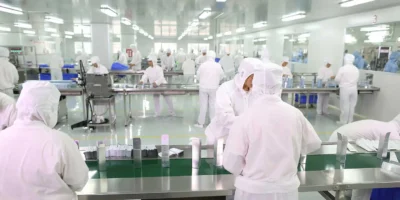
Introduction: Navigating the World’s Beauty Workshop
Guangdong Province is not just a manufacturing hub; it is the beating heart of the global beauty industry. From Guangzhou’s Baiyun District to the high-tech industrial parks of Zhuhai, this region produces over 70% of China’s cosmetic exports. For brand owners, the question is not if you can find a factory here, but which one can deliver consistency, safety, and scalability.
Searching for “cosmetic manufacturers” on Alibaba or Google yields thousands of results. However, the glossy photos often hide a murky reality: non-compliant workshops, trading companies posing as factories, and inconsistent formulation quality.
To secure your supply chain and protect your brand reputation, you need a vetting process that goes deeper than a website visit. This guide details exactly how to choose a reliable cosmetics factory in Guangdong, utilizing on-the-ground sourcing strategies that separate industry leaders from the pretenders.
Decoding the Geography: Where to Look in Guangdong
Understanding the industrial clusters within Guangdong is your first step. Different districts specialize in different tiers of production and product categories.
The Baiyun District vs. Huadu District Hubs
Guangzhou is the capital of cosmetics. However, strict environmental regulations have shifted the landscape.
-
Baiyun District: Historically the center of the action. It is home to thousands of mature factories and raw material markets. If you are looking for skincare, masks, and creams with a massive variety of existing formulas (ODM), Baiyun is your primary target. However, be wary of older facilities that haven’t upgraded their clean rooms.
-
Huadu District: Located near the airport, this area has attracted newer, larger-scale factories due to government incentives. If you need large-scale automated production (high volume, lower unit cost) and modern GMPC-compliant facilities, Huadu often offers better infrastructure than the crowded streets of Baiyun.
Specialized Clusters: Zhuhai and Shantou
Not all cosmetics are created equal.
-
Zhuhai: Often focuses on high-tech biotechnology and additive manufacturing. Look here if your brand focuses on medical-grade skincare or cosmeceuticals requiring pharmaceutical-grade standards.
-
Shantou/Chaoshan: While known for packaging, this region is also a hub for color cosmetics (makeup) due to the proximity to plastic injection molding for compacts and lipstick tubes. Sourcing here can reduce lead times on custom tooling.
Verification 101: Distinguishing Factories from Trading Companies
The most common trap for international buyers is unknowingly working with a “Middleman” (Trading Company) who claims to be a manufacturer. This adds 15-30% to your cost and destroys communication efficiency.
Analyzing the Business License and Scope
Don’t just accept a PDF brochure. Request the Business License (营业执照) and look at the “Business Scope” (经营范围).
-
The Keyword: You want to see “Production” (生产), “Manufacturing” (制造), or “Processing” (加工).
-
The Red Flag: If the scope only lists “Sales” (销售), “Wholesale” (批发), or “Import/Export” (进出口) without mentioning production, they are a trading company.
-
Tip: Use tools like Qichacha or Tianyancha (Chinese corporate databases) to verify if they have faced penalties for product quality issues.
The “Virtual” vs. Real Factory Audit
In the post-pandemic era, Zoom tours are common, but they are easy to fake.
-
The “Name on the Wall” Trick: Some trading companies will hang their logo on a partner factory’s wall just for your video call.
-
How to Verify: Ask the sales rep to do a live video walk immediately. Ask them to walk into the raw material warehouse and show you a specific ingredient barrel label. Alternatively, ask to see the laboratory technicians and ask a technical question on the spot. Real factories have R&D staff on site; trading companies do not.
Evaluating Technical Competence and R&D Capabilities
A “reliable” factory isn’t just one that ships on time; it’s one that prevents your product from separating, oxidizing, or causing allergic reactions three months after launch.
Scrutinizing the Laboratory and Formulation Team
The R&D lab is the brain of the factory.
-
Formulation Ownership: Clarify who owns the formula. If you are doing ODM (using their formula), can you tweak it? If you move factories later, can you buy the formula?
-
Active Ingredients: Ask about their supply chain for trendy ingredients (e.g., Retinol, Peptides). Do they have partnerships with major raw material suppliers like BASF, Givaudan, or DSM? A factory using cheap, generic substitutes will ruin your brand’s efficacy.
Stability Testing and Quality Control Protocols
Never place an order without understanding their testing protocols.
-
The “Oven Test”: Ask for stability reports. A reliable factory tests formulas at high temperatures (40-45°C) and freezing temperatures for weeks to ensure the emulsion doesn’t break.
-
Microbiological Testing: Ensure they have an in-house lab to test for bacteria and mold before filling and after packaging. Ask to see a sample “Certificate of Analysis” (COA) from a previous batch.
Essential Certifications and Compliance Standards
In 2025 and beyond, regulatory compliance is non-negotiable, especially if you are exporting to the EU or USA (MoCRA regulations).
GMPC and ISO 22716 Explained
These are the gold standards for Good Manufacturing Practices in cosmetics.
-
Verification: Do not just look at the certificate logo on their email signature. Request the certificate number and verifying body (e.g., Intertek, SGS, SGS).
-
The Scope: Ensure the certificate covers the specific category you are buying. A factory certified for “shampoo” might not be certified for “eye cream.”
Social Responsibility and Sustainability Audits
Western consumers are increasingly demanding ethical supply chains.
-
Sedex / SMETA: These audits ensure workers are treated fairly and paid correctly. Large retailers (like Sephora or Ulta) often require this.
-
Eco-Friendly Practices: Ask about their water treatment systems. Cosmetic manufacturing produces wastewater; a reliable factory in Guangdong must have a sophisticated water purification and recycling system to meet local EPA standards.
Mastering the Negotiation: Cost vs. Value
Choosing a partner is also about financial viability. However, the lowest price in Guangdong usually means the lowest active ingredient concentration.
Decoding the MOQ (Minimum Order Quantity)
-
Packaging is the Bottleneck: often, the factory can make 50kg of cream, but the packaging supplier requires 5,000 or 10,000 units.
-
The Solution: Look for factories that offer “Stock Packaging” options. This allows you to launch with MOQs as low as 500 or 1,000 units by using standard bottles and customizing only the label or box.
Payment Terms and IP Protection
-
The Standard: 30% deposit, 70% before shipping is standard in China. Be wary of factories asking for 50-100% upfront.
-
NNN Agreements: Before sharing your brand concept or custom formula, have the factory sign an NNN (Non-Disclosure, Non-Use, Non-Circumvention) agreement enforceable in China, not just your home country.
Conclusion: The Final Checklist
Choosing a reliable cosmetics factory in Guangdong is a process of elimination. You start with a wide pool, filter out the trading companies, test the R&D capabilities of the survivors, and audit the compliance of the finalists.
Your Action Plan:
-
Shortlist 5-10 suppliers from platforms or trade shows (like China Beauty Expo).
-
Verify business licenses for “Production” scope.
-
Video Audit the facility, focusing on the lab and water treatment.
-
Sample aggressively—test the product yourself for weeks.
-
Secure your IP with a China-enforceable contract.
The supply chain is the backbone of your beauty brand. By partnering with a transparent, high-quality manufacturer in Guangdong, you are building an asset that will support your growth for years to come.