

In the modern beauty industry, a cosmetics factory is a key partner for brand success. Whether you are a niche indie brand or a large international company, choosing a reliable cosmetics manufacturer determines product quality, market reputation, and production efficiency. This article provides a comprehensive guide on cosmetics factories—from their concept, production process, certification standards to collaboration strategies—helping brands find their ideal manufacturing partner.
What is a Cosmetics Factory?
Definition and Role of a Cosmetics Factory
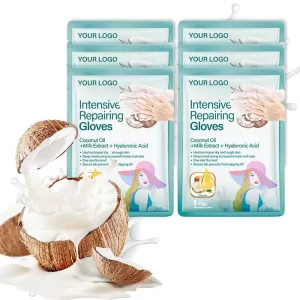
A cosmetics factory, also known as an OEM (Original Equipment Manufacturer) or ODM (Original Design Manufacturer), specializes in research, development, production, packaging, and delivery of cosmetic products. Brands provide formulas or design requirements, and the factory handles mass production. With professional manufacturing support, brands can focus on marketing and brand building without investing heavily in production equipment or R&D.
Main Types of Cosmetics Factories
-
OEM Factory: Produces according to brand-provided formulas and designs, mainly offering production capacity without product innovation.
-
ODM Factory: Provides production as well as product R&D, formula optimization, and packaging design, ideal for brands seeking rapid market entry.
-
Private Label Factory: Has its own established product lines, allowing brands to sell under their label directly, perfect for startups or e-commerce brands testing the market.
Production Process in a Cosmetics Factory
Raw Material Sourcing and Testing
High-quality cosmetics production relies on premium raw materials. Professional factories often collaborate with internationally certified suppliers, sourcing materials compliant with ISO, GMP, or EU standards. Before entering production, raw materials undergo rigorous testing, including heavy metal content, microbial levels, and stability, ensuring safety and efficacy.
Formula Development and Laboratory Testing
Cosmetics factories typically have professional R&D teams that develop formulas based on market trends and client requirements. In the small-batch laboratory stage, formulas undergo skin irritation tests, stability tests, and efficacy verification to ensure the final product meets safety standards and promised benefits.
Mass Production and Quality Control
After formula confirmation, the product enters mass production. Factories strictly control production environments (such as cleanrooms and temperature/humidity-controlled areas) and production procedures. Key steps include mixing, filling, sealing, and labeling, with rigorous quality inspections at each stage to ensure consistency and compliance.

Certifications and Standards for Cosmetics Factories
GMP and ISO Certifications
GMP (Good Manufacturing Practice) certification is the basic quality assurance standard for cosmetics factories, ensuring production environment, equipment, procedures, and staff management meet regulatory requirements. ISO certifications (e.g., ISO 22716) ensure scientific and systematic factory management. Certified factories gain higher trust in international markets.
Ingredient Safety and Regulatory Compliance
Cosmetics factories must comply with regulations such as the EU Cosmetics Regulation (EC 1223/2009) and China’s Cosmetic Supervision and Administration Regulations (CFDA). To export products, factories provide documents such as MSDS and SGS test reports to meet overseas market requirements.
How to Choose the Right Cosmetics Factory
Production Capacity and Technical Expertise
When selecting a factory, consider its production scale, advanced equipment, and R&D capabilities. For premium skincare brands, choose factories with automated production lines and in-house R&D labs to ensure product stability and batch consistency.
H3: Quality Control and Client References
Top-tier factories typically have complete quality management systems (QC/QA processes) and successful case studies. Visiting the factory, reviewing client feedback, or requesting samples can help evaluate actual production capability and product quality.
Collaboration Model and Communication Efficiency
Communication efficiency is key in addition to production capacity. Clarify collaboration model (OEM/ODM), minimum order quantity (MOQ), lead time, and after-sales support to reduce risk. Modern cosmetics factories often provide online communication, production progress tracking, and logistics support to help brands manage their supply chain easily.
Future Trends in Cosmetics Factories
Green, Eco-Friendly, and Natural Formulas
Consumers increasingly demand natural, safe, and eco-friendly cosmetics, driving factories to develop plant-extract formulas, hypoallergenic products, and biodegradable packaging. The future of cosmetics manufacturing will focus on sustainability and environmentally friendly production.
Personalization and Small-Batch Customization
With the rise of e-commerce and social media, personalized cosmetics demand is growing. Advanced factories offer small-batch customization services, meeting diverse needs of independent brands while shortening time-to-market.
Intelligent Production and Digital Management
Future factories will increasingly use smart production lines, IoT devices, and digital management systems, enabling full-process monitoring, improving efficiency, and enhancing quality control.
Conclusion
Choosing the right cosmetics factory is a critical step for brand success. Understanding factory types, production processes, certifications, and collaboration models helps brands reduce risk, improve product quality, and quickly respond to market demand. Whether through OEM, ODM, or private label production, a high-quality factory is a powerful support for brand growth.
💬 If you are looking for a reliable cosmetics factory, contact our professional team via WhatsApp to get a customized cooperation plan and sample support, helping your brand enter the market with ease.