

The global cosmetics industry is a multi-billion dollar market that continues to grow at an unprecedented rate, driven by consumer demand for innovative, safe, and effective beauty products. At the heart of this industry lies the cosmetics factory—a hub of creativity, precision, and technological advancement. In this in-depth guide, we will explore the inner workings of a cosmetics factory, from the formulation of cutting-edge products to the implementation of sustainable practices, and how these factors contribute to the success of brands in the competitive beauty landscape.
1. The Core Functions of a Cosmetics Factory
1.1 Formulation and R&D: The Foundation of Quality Products
A cosmetics factory’s research and development (R&D) department is responsible for creating formulations that meet consumer needs and regulatory standards. This process involves extensive testing of raw materials, including active ingredients, preservatives, and fragrances, to ensure they are safe and effective. For example, a factory may invest in clinical trials to validate the efficacy of a new anti-aging serum, or use advanced analytical tools to detect potential contaminants. By prioritizing R&D, cosmetics factories can stay ahead of trends and develop products that resonate with consumers.
1.2 Production and Manufacturing: From Lab to Shelf
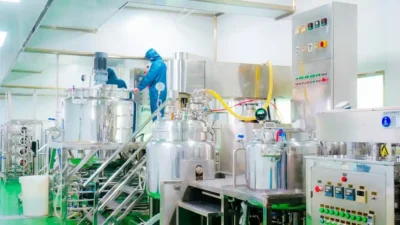
Once a formulation is finalized, the production team takes over, scaling up the recipe to meet market demand. This involves using specialized equipment such as mixers, emulsifiers, and filling machines to ensure consistency and precision. Modern cosmetics factories often use automated systems to minimize human error and increase efficiency. For instance, a factory may use a continuous manufacturing line to produce thousands of units of a skincare product per hour, while maintaining strict quality control standards. This not only reduces production time but also ensures that every product meets the same high standards.
2. Quality Control and Regulatory Compliance
2.1 Ensuring Product Safety: Testing and Certification
Quality control is a critical aspect of cosmetics manufacturing, as it ensures that products are safe for consumer use. Cosmetics factories must adhere to strict regulations set by organizations such as the FDA, EU Cosmetics Regulation, and ISO standards. This includes testing for microbial contamination, stability, and ingredient safety. For example, a factory may conduct patch tests on new products to ensure they do not cause skin irritation, or use gas chromatography to detect harmful substances. By investing in rigorous quality control measures, cosmetics factories can build trust with consumers and avoid costly product recalls.
2.2 Labeling and Transparency: Meeting Consumer Expectations
In today’s market, consumers are increasingly demanding transparency from brands, and cosmetics factories play a key role in providing accurate and informative labeling. This includes listing all ingredients, their concentrations, and any potential allergens. For example, a factory may use QR codes on product packaging to allow consumers to access detailed information about the product’s origin, manufacturing process, and sustainability practices. By being transparent, cosmetics factories can build brand loyalty and appeal to eco-conscious consumers.
3. Sustainable Practices in Cosmetics Manufacturing
3.1 Eco-Friendly Raw Materials: Reducing Environmental Impact
Sustainability is a growing trend in the cosmetics industry, and factories are taking steps to reduce their environmental footprint. This includes using renewable raw materials such as plant-based oils, organic extracts, and recycled packaging. For example, a factory may source shea butter from fair-trade cooperatives in Africa, or use biodegradable packaging made from sugarcane or bamboo. By prioritizing sustainable raw materials, cosmetics factories can reduce their reliance on non-renewable resources and appeal to consumers who value environmental responsibility.
3.2 Energy Efficiency and Waste Reduction: Green Manufacturing
Cosmetics factories are also implementing energy-efficient practices to reduce their carbon emissions. This includes using solar panels to power manufacturing facilities, installing energy-efficient lighting, and optimizing production processes to minimize waste. For instance, a factory may use closed-loop systems to recycle water used in production, or implement zero-waste initiatives to reduce the amount of packaging waste sent to landfills. By adopting these practices, cosmetics factories can not only reduce their environmental impact but also save on operational costs.
4. Trends Shaping the Future of Cosmetics Factories
4.1 Personalization and Customization: Tailoring Products to Individual Needs
One of the most significant trends in the cosmetics industry is the demand for personalized products. Consumers are no longer satisfied with generic solutions; instead, they want products that are tailored to their specific skin type, concerns, and preferences. Cosmetics factories are responding to this demand by using advanced technologies such as AI and 3D printing to create customized products. For example, a factory may use AI algorithms to analyze a customer’s skin data and recommend a personalized skincare routine, or use 3D printing to create custom-shaped lipstick containers. By embracing personalization, cosmetics factories can differentiate themselves from competitors and build stronger relationships with consumers.
4.2 Clean Beauty: The Rise of Natural and Organic Products
Clean beauty has become a major trend in recent years, with consumers seeking products that are free from harmful chemicals, synthetic fragrances, and animal testing. Cosmetics factories are adapting to this trend by developing natural and organic formulations using ingredients such as aloe vera, green tea, and coconut oil. These products are not only better for the skin but also for the environment, as they are often produced using sustainable farming practices. As the clean beauty movement continues to grow, cosmetics factories will need to invest in research and development to create innovative products that meet consumer demand.
5. Choosing the Right Cosmetics Factory for Your Brand
5.1 Factors to Consider When Selecting a Manufacturing Partner
When choosing a cosmetics factory, it is important to consider several key factors, including the factory’s experience, capabilities, and reputation. For example, a factory with a proven track record in producing high-quality products is more likely to deliver consistent results. Additionally, it is important to ensure that the factory has the necessary certifications, such as ISO 22716 (Good Manufacturing Practice for Cosmetics), which demonstrates its commitment to quality and safety. Other factors to consider include the factory’s capacity, lead times, and ability to accommodate custom formulations.
5.2 The Benefits of Working with a Contract Manufacturing Organization (CMO)
Many brands choose to work with contract manufacturing organizations (CMOs) instead of building their own factories. CMOs specialize in producing cosmetics on behalf of other brands, offering a range of services from formulation development to packaging and distribution. Working with a CMO can be cost-effective, as it eliminates the need for brands to invest in their own manufacturing facilities and equipment. Additionally, CMOs often have access to the latest technologies and expertise, which can help brands stay ahead of the competition.
6. Conclusion: The Future of Cosmetics Manufacturing
The cosmetics industry is constantly evolving, driven by changing consumer preferences, technological advancements, and regulatory requirements. Cosmetics factories play a critical role in this evolution, as they are responsible for turning innovative ideas into high-quality products that meet the needs of consumers. By embracing new technologies, sustainable practices, and personalized solutions, cosmetics factories can position themselves for success in the years to come. Whether you are a brand looking to launch a new product or a consumer interested in learning more about the products you use, understanding the role of cosmetics factories is essential to making informed decisions in the beauty industry.