

What is Cosmetics OEM?
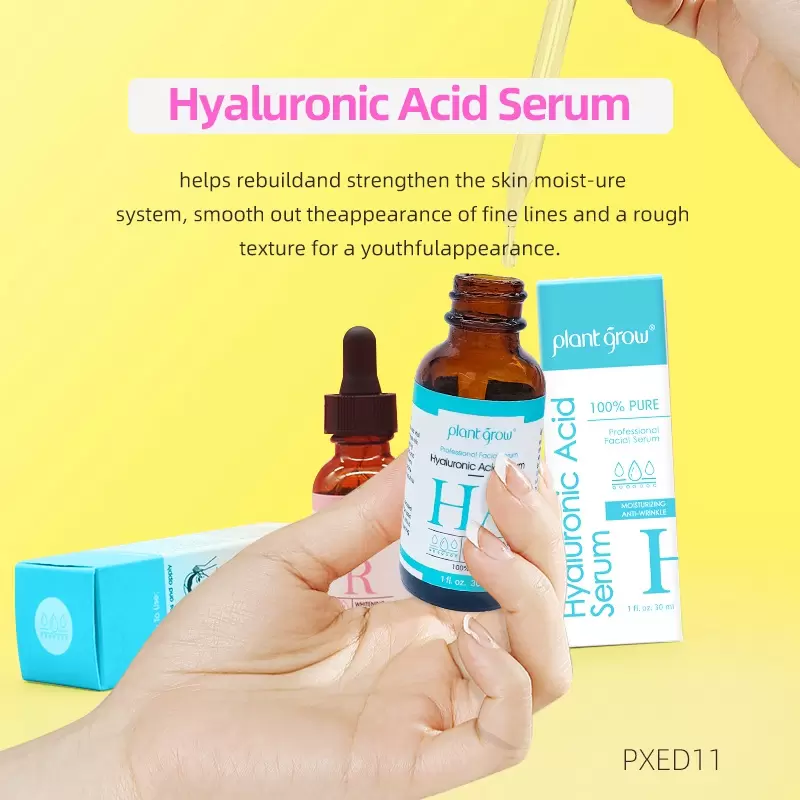
Cosmetics OEM (Original Equipment Manufacturing) is a strategic partnership model where a brand outsources the entire production process to a specialized manufacturer. This model allows brands to focus on core competencies like marketing, sales, and brand building while leveraging the OEM’s expertise in formulation, production, and regulatory compliance. Unlike private label manufacturing, OEM involves creating custom formulations tailored to the brand’s specific requirements, making it ideal for brands looking to differentiate themselves in the market.
Key Benefits of Cosmetics OEM Partnerships
Cost Optimization
One of the primary advantages of Cosmetics OEM is cost efficiency. Brands avoid the high capital expenditure associated with building production facilities, purchasing equipment, and hiring specialized staff. OEM partners have economies of scale, allowing them to produce high-quality products at a lower cost per unit. This cost savings can be passed on to consumers or reinvested in brand growth initiatives.
Speed to Market
In the fast-paced cosmetics industry, time is of the essence. OEM partners have established supply chains and production processes, enabling brands to bring products to market in a fraction of the time it would take with in-house production. This agility is crucial for capitalizing on emerging trends and staying ahead of competitors.
Access to Specialized Expertise
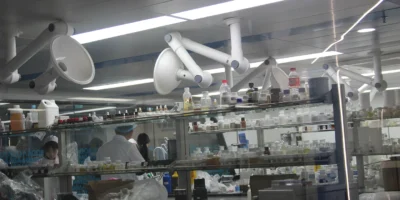
Cosmetics OEM partners employ teams of experienced chemists, formulators, and regulatory experts. These professionals stay updated on the latest industry trends, ingredient innovations, and regulatory requirements. Brands can tap into this expertise to develop cutting-edge products that meet consumer demands and comply with global regulations.
Scalability and Flexibility
OEM partnerships offer scalability, allowing brands to adjust production volumes based on market demand. Whether a brand needs a small batch for a product launch or large-scale production for global distribution, OEM partners can accommodate these needs. Additionally, OEM agreements can be customized to include services like packaging design, labeling, and logistics, providing a turnkey solution for brands.
How to Select the Ideal Cosmetics OEM Partner
Evaluate Technical Capabilities
When choosing an OEM partner, it’s essential to assess their technical capabilities. This includes their ability to develop custom formulations, handle different product types (e.g., creams, serums, makeup), and use advanced manufacturing technologies. Request samples of their work and visit their facilities if possible to ensure they meet your quality standards.
Verify Regulatory Compliance
Regulatory compliance is a critical factor in the cosmetics industry. Ensure the OEM partner adheres to international standards such as GMP (Good Manufacturing Practices), ISO 22716, and local regulations like the FDA (U.S.) and EU Cosmetics Regulation. Ask for documentation of their certifications and audit reports to confirm their commitment to quality and safety.
Assess R&D and Innovation
A strong OEM partner should invest in research and development to stay ahead of industry trends. Inquire about their R&D capabilities, including their ability to develop innovative formulations, test new ingredients, and adapt to changing consumer preferences. Partners with a focus on innovation can help your brand launch unique products that stand out in the market.
Review Quality Control Processes
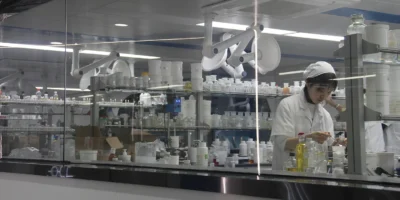
Quality control is essential to ensure consistent product quality. Ask about the OEM’s quality control procedures, including raw material testing, in-process inspections, and final product testing. A transparent quality control system will help prevent issues like product recalls and customer complaints, protecting your brand’s reputation.
2024 Cosmetics OEM Industry Trends
Sustainable and Eco-Friendly Practices
Consumers are increasingly prioritizing sustainability, and the cosmetics industry is responding. OEM partners are adopting eco-friendly practices such as using renewable energy, reducing water consumption, and implementing zero-waste manufacturing processes. They are also developing formulations with natural, organic, and biodegradable ingredients to meet consumer demand for clean beauty products.
Personalization and Customization
Personalized cosmetics are gaining traction, with consumers seeking products tailored to their specific skin types, concerns, and preferences. OEM partners are leveraging technology like AI-powered skin analysis tools and 3D printing to create custom formulations. This trend allows brands to offer unique products that resonate with individual consumers.
Digital Transformation
The cosmetics industry is undergoing a digital transformation, with OEM partners integrating digital technologies into their operations. This includes using IoT (Internet of Things) for real-time production monitoring, AI for quality control, and blockchain for supply chain transparency. These technologies improve efficiency, reduce costs, and enhance product traceability.
Clean Beauty and Transparency
Clean beauty is no longer a niche trend but a mainstream consumer expectation. OEM partners are focusing on developing formulations free from harmful ingredients like parabens, sulfates, and phthalates. They are also providing transparency by disclosing ingredient lists and sourcing practices, building trust with consumers.
Case Study: How a Startup Leveraged Cosmetics OEM to Achieve 300% Growth
Brand Y, a startup in the natural skincare space, partnered with a leading Cosmetics OEM to launch their product line. The OEM provided end-to-end services, including formulation development, packaging design, and regulatory compliance. By leveraging the OEM’s expertise, Brand Y was able to launch high-quality products that aligned with consumer demand for clean, sustainable skincare. Within 12 months, the brand achieved 300% growth, expanding into 10 new markets and generating $2.5 million in revenue. The partnership allowed Brand Y to focus on marketing and customer engagement while the OEM handled production and logistics.
Conclusion
Cosmetics OEM is a powerful strategy for brands looking to enter or expand in the cosmetics market. By partnering with a reliable OEM, brands can access specialized expertise, reduce costs, and accelerate time-to-market. As the industry evolves, trends like sustainability, personalization, and digital transformation will shape the future of Cosmetics OEM. Brands that adapt to these trends and choose the right OEM partner will be well-positioned for success in the competitive cosmetics landscape.