

When you pick up a skincare serum from France, a Japanese toner, or an American moisturizer, there’s a significant probability that it originated not from those glamorous destinations, but from a sophisticated facility in Guangdong, China. The Guangdong cosmetics factory represents the beating heart of global beauty manufacturing, combining centuries-old herbal knowledge with cutting-edge technology to produce approximately 70% of China’s cosmetics output and a substantial portion of the world’s beauty products.
This comprehensive guide will take you behind the scenes of this manufacturing epicenter, revealing why global brands increasingly partner with Guangdong factories, what technological advancements are driving this industry, and how these facilities are shaping the future of beauty worldwide.
Why Guangdong Dominates Global Cosmetics Manufacturing
Historical Foundations and Geographic Advantages
Guangdong’s ascendancy in cosmetics manufacturing didn’t happen overnight. The province’s beauty industry roots trace back to the early 20th century, with Guangzhou’s “Paiyuen” establishing China’s first modern cosmetics company in 1905. This early start created a foundation of expertise that has expanded exponentially over the past century.
Strategically located adjacent to Hong Kong and Macao, Guangdong has benefited from early exposure to international trends, investment, and quality standards. The Pearl River Delta, often called the “world’s factory,” provides:
-
Unmatched supply chain integration with thousands of specialized component suppliers
-
Direct access to major international shipping lanes through ports like Shenzhen and Guangzhou
-
Proximity to raw material sources, including traditional Chinese medicine herbs from nearby regions
The Complete Ecosystem: More Than Just Manufacturing
What distinguishes Guangdong from other manufacturing regions is its fully developed ecosystem. Unlike isolated factories, Guangdong offers:
Research and Development Clusters: Dedicated R&D centers focusing on skincare science, traditional Chinese medicine cosmetics, and sustainable formulations.
Regulatory Expertise: Specialized firms that navigate China’s complex cosmetic registration process (the much-discussed “FDA filing” for the Chinese market), ensuring compliance with changing regulations.
Packaging Innovation: Thousands of packaging suppliers offering everything from minimalist glass bottles to technologically advanced airless dispensers.
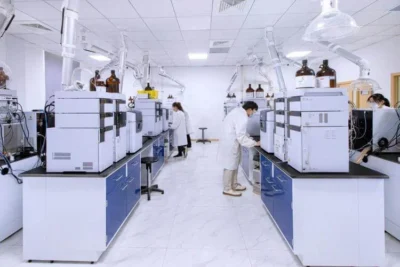
Testing Laboratories: State-of-the-art facilities for stability testing, microbial analysis, and safety assessments meeting international standards (ISO, GMP, FDA).
Technological Leadership: How Guangdong Factories Are Out-Innovating the West
Advanced Manufacturing Technologies
Modern Guangdong cosmetics factories bear little resemblance to the low-tech workshops many imagine. Today’s facilities feature:
Cleanroom Production Environments: Class 100,000 to Class 10,000 cleanrooms with positive air pressure, HEPA filtration, and rigorous personnel protocols to prevent contamination.
Automated Production Lines: Robotic filling, capping, and labeling systems that ensure precision while minimizing human contact with products.
Artificial Intelligence Integration: AI-powered quality control systems that use computer vision to detect microscopic defects in products or packaging at speeds impossible for human inspectors.
Blockchain Traceability: Implementing blockchain technology to create immutable records of ingredient sourcing, production batches, and quality control checks—increasingly demanded by conscious consumers worldwide.
Sustainable Innovation Leadership
Contrary to outdated perceptions, Guangdong factories are at the forefront of green beauty manufacturing:
Waterless Formulations: Developing and producing waterless beauty products that conserve resources and require less preservation.
Upcycled Ingredients: Creating high-performance actives from food industry byproducts (like fruit peels and seeds) in collaboration with local agricultural partners.
Carbon-Neutral Facilities: Several leading factories have achieved carbon-neutral certification through renewable energy adoption, waste heat recovery systems, and extensive carbon offset programs.
Refill-Ready Packaging: Designing and manufacturing packaging systems specifically for refill models, supporting the circular beauty economy.
The Strategic Advantages of Partnering with a Guangdong Cosmetics Factory
Cost-Effectiveness Without Compromise
While cost efficiency remains a factor, the true value proposition has evolved dramatically:
Economies of Scale: The concentration of hundreds of specialized factories creates competitive pricing for everything from custom peptides to glass packaging.
Reduced Time-to-Market: The integrated supply chain allows concept-to-shelf timelines of 3-6 months versus 12-18 months in many other regions.
Flexible Minimum Order Quantities: While some factories cater to massive orders, many now specialize in flexible production runs as low as 5,000 units—making them accessible to indie brands.
Unparalleled Customization Capabilities
Modern Guangdong factories offer customization levels unimaginable a decade ago:
Tailored Formulation Development: Working directly with brand chemists to create proprietary formulations, not just selecting from existing catalogs.
Custom Ingredient Sourcing: Leveraging connections with global specialty ingredient suppliers to source rare actives, from Himalayan snow lotus to Mediterranean algae extracts.
Packaging Personalization: Advanced decoration techniques including custom mold injection, UV printing, hot stamping, and even embedded NFC chips for digital experiences.
Quality Standards Meeting Global Expectations
Reputable Guangdong factories now exceed international requirements:
Certifications: Most export-oriented factories maintain GMP (Good Manufacturing Practice), ISO 22716 (Cosmetics), and often FDA registration for US market access.
Third-Party Audits: Regular inspections by international certification bodies like SGS, Intertek, and Bureau Veritas.
Transparency Initiatives: Implementing full ingredient disclosure, cruelty-free certifications (Leaping Bunny approved facilities), and vegan formulation expertise.
Navigating the Selection Process: How to Choose the Right Guangdong Partner
Due Diligence Framework
Selecting a manufacturing partner requires careful evaluation:
Audit the Physical Facility: Either in-person or via detailed virtual tours with live inspections. Assess cleanroom standards, equipment maintenance, and overall operational discipline.
Evaluate Technical Capabilities: Review R&D investment, technician qualifications, and patent portfolios. Leading factories employ cosmetic scientists with advanced degrees and international experience.
Analyze Communication Practices: Assess responsiveness, language capabilities (English proficiency is now standard among export-focused factories), and transparency in addressing concerns.
Review Regulatory Track Record: Investigate history of product recalls, regulatory compliance issues, and success in navigating markets like the EU, US, and Japan.
Red Flags and Green Lights
Warning Signs:
-
Resistance to third-party quality audits
-
Unwillingness to provide complete ingredient transparency
-
Lack of proper waste management systems
-
High employee turnover rates (suggesting poor working conditions)
Positive Indicators:
-
Proactive sustainability initiatives
-
Investment in employee training and development
-
Long-term partnerships with reputable international brands
-
Transparent pricing models without hidden fees
The Future of Guangdong Cosmetics Manufacturing
Emerging Trends Shaping the Next Decade
Personalization at Scale: AI-driven formulation systems that create custom products based on individual skin analysis, manufactured in small batches through flexible production systems.
Biotechnology Integration: Fermentation technology, stem cell research (using plant stem cells), and enzyme engineering creating next-generation actives with enhanced bioavailability and sustainability profiles.
Digital Integration: Smart packaging with QR codes linking to detailed provenance information, augmented reality experiences, and usage guidance tailored to individual consumers.
Regional Specialization: Different Guangdong cities developing distinct specialties—Guangzhou for color cosmetics, Foshan for skincare, Shenzhen for tech-integrated beauty devices.
Challenges and Adaptations
The industry faces significant challenges requiring continuous adaptation:
Sustainability Pressure: Increasing expectations for carbon-neutral manufacturing, water conservation, and zero-waste initiatives.
Geopolitical Considerations: Navigating trade tensions while maintaining global supply chain resilience through multi-country manufacturing strategies.
Talent Acquisition: Attracting and retaining next-generation talent in biotechnology, data science, and sustainable engineering.
Regulatory Evolution: Adapting to rapidly changing global regulations around ingredients, claims substantiation, and environmental impact disclosure.
Case Studies: Success Stories from Guangdong Factories
Transformation of a Traditional Factory
Explore how “Guangzhou Meishang Cosmetics Co.” evolved from a private label manufacturer to an innovation partner for European clean beauty brands through:
-
€10 million investment in green chemistry R&D
-
Partnership with French fragrance house Mane for sustainable scent development
-
Implementation of blockchain traceability for all natural ingredients
The Indie Brand Incubator
“BioBase” (fictional example representing a trend) has carved a niche by exclusively serving indie brands with:
-
Minimum orders starting at 1,000 units
-
In-house regulatory team handling international compliance
-
Monthly educational webinars for brand founders on formulation science
Practical Steps for Engaging with a Guangdong Cosmetics Factory
Initial Engagement Protocol
-
Preparation: Develop clear product briefs with target ingredients, price points, and quality requirements before initial contact.
-
RFQ Process: Request comprehensive quotations including not just unit costs but also mold fees, minimum quantities, lead times, and payment terms.
-
Sample Development: Expect to invest in sample development fees—legitimate factories cannot provide free samples for custom formulations.
-
Contract Clarity: Ensure contracts specify intellectual property ownership, quality standards, liability terms, and dispute resolution mechanisms.
Building Successful Long-Term Partnerships
The most successful brand-factory relationships evolve into true partnerships characterized by:
Transparent Communication: Regular virtual meetings, shared project management platforms, and annual in-person strategy sessions.
Continuous Improvement Collaboration: Joint investment in new technologies and sustainability initiatives that benefit both parties.
Flexibility During Disruption: Mutually supportive approaches during supply chain challenges or unexpected market changes.
Conclusion: Guangdong’s Evolving Role in the Global Beauty Landscape
The Guangdong cosmetics factory of today represents a sophisticated convergence of traditional expertise and cutting-edge innovation. No longer merely a source of cost advantage, these facilities have become innovation partners for brands worldwide, offering technological capabilities, sustainability leadership, and quality standards that rival or exceed those found in traditional beauty manufacturing regions.
For brands considering manufacturing partnerships, Guangdong offers a compelling proposition: access to complete beauty ecosystems, innovative capabilities, and scalable production—all while increasingly meeting the ethical and environmental expectations of modern consumers. The future of beauty manufacturing isn’t just happening in Guangdong—in many ways, it’s being defined there.
As the industry continues evolving, the most successful brands will be those that develop genuine partnerships with Guangdong manufacturers, leveraging their unique capabilities while contributing their own brand vision and market insights. In this collaborative model, Guangdong cosmetics factories will continue transforming from behind-the-scenes manufacturers to central players in shaping the future of global beauty.