

Why Guangzhou is a Hub for Global Cosmetics Manufacturing
When it comes to global cosmetics manufacturing, Guangzhou undoubtedly holds an unshakable core position. This city in southern China is not only a leader in domestic cosmetics production but also an indispensable part of the global beauty industry chain. Guangzhou cosmetics manufacturers bring together a complete industrial chain—from raw material supply and R&D innovation to production, manufacturing, and packaging design—forming a world-class beauty industry cluster.
The rise of Guangzhou’s cosmetics industry is no accident. As early as the 1980s, benefiting from the reform and opening-up policy and its proximity to Hong Kong, Guangzhou began to meet the manufacturing demands of international beauty brands. After more than four decades of development, it has established cosmetics production bases mainly in Baiyun District, Huadu District, and Conghua District, hosting over 2,000 licensed cosmetics manufacturers, accounting for nearly one-third of the national total. These manufacturers not only serve the Chinese market but also export products to more than 150 countries and regions worldwide, truly achieving “Made in Guangzhou, Beautiful the World.”
Unique Advantages of Guangzhou’s Cosmetics Industry Cluster
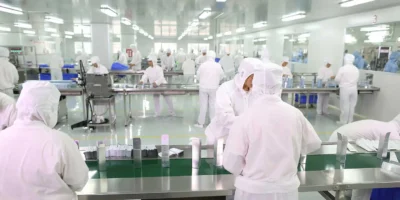
The strong competitiveness of Guangzhou’s cosmetics industry stems from its unique ecosystem advantages. First, a well-established supply chain system enables manufacturers to quickly source various raw materials, packaging materials, and production equipment. Whether it’s glass bottles, plastic containers, or specialty raw materials, high-quality suppliers can be found in Guangzhou and its surrounding areas. This dense supply chain network significantly reduces procurement costs and production cycles while improving overall efficiency.
Second, Guangzhou boasts China’s most concentrated cosmetics R&D resources. Numerous national laboratories, university research institutions, and corporate R&D centers are gathered here, forming a complete innovation chain from basic research to applied development. Universities such as South China University of Technology and Sun Yat-sen University supply a steady stream of professionals in chemical engineering, biology, and related fields to the industry, while organizations like the Guangdong Cosmetics Association and the Guangzhou Cosmetics Industry Association foster deep integration of industry, academia, and research.
Symbiosis and Mutual Prosperity of International Brands and Local Enterprises
Among Guangzhou’s cosmetics manufacturers, there are both top-tier enterprises producing for international premium brands and emerging brands focused on the local market. This diversified industrial structure creates unique synergistic effects. International brands bring advanced quality management systems, R&D philosophies, and production technologies, while local enterprises excel at capturing rapidly changing consumer trends in the Chinese market and flexibly adjusting product strategies.
Many international beauty giants such as L’Oréal, Procter & Gamble, and Shiseido have established production bases or R&D centers in Guangzhou. Meanwhile, popular products from local enterprises like Perfect Diary and Florasis are also largely manufactured by Guangzhou manufacturers. This deep integration of international and local players ensures that Guangzhou’s cosmetics industry remains at the forefront of innovation, capable of quickly responding to changes in the global beauty market.
How to Select High-Quality Guangzhou Cosmetics Manufacturers
Evaluating Core Qualifications and Production Capabilities
When selecting a cosmetics manufacturer to collaborate with, the first step is to review its legal qualifications. In China, cosmetics manufacturers must hold a “Cosmetics Production License,” and the licensed scope should cover the product categories you plan to produce (such as skincare, color cosmetics, perfumes, etc.). Additionally, international brands typically require manufacturers to have ISO 22716 (Good Manufacturing Practices for Cosmetics) certification, with some also seeking GMPC (Good Manufacturing Practices for Cosmetics in the U.S.) or ISO 9001 Quality Management System certification.
Beyond paperwork, on-site inspections of a manufacturer’s production capabilities are crucial. Modern Guangzhou cosmetics manufacturers usually operate cleanrooms meeting Class 100,000 or higher standards, equipped with advanced production machinery (such as vacuum emulsifying equipment and automatic filling lines) and well-equipped testing laboratories. It’s advisable to pay attention to the manufacturer’s daily production capacity, minimum order quantity, and production line flexibility, as these factors directly impact your supply chain efficiency and market responsiveness.
Notably, leading Guangzhou cosmetics manufacturers have begun digital upgrades, implementing MES (Manufacturing Execution Systems) for real-time monitoring and traceability of production processes. This intelligent production capability not only improves efficiency but also better meets regulatory requirements for the full lifecycle management of cosmetics.
Assessing R&D Capabilities and Quality Control Systems
Competition in the cosmetics industry essentially revolves around R&D innovation. Excellent Guangzhou cosmetics manufacturers not only possess standardized production lines but also operate professional R&D centers with stable R&D teams. When evaluating R&D capabilities, consider the following aspects: the number of patents held by the manufacturer (particularly invention patents), the backgrounds of core technical personnel, collaborations with research institutions, and successful case studies of new product development.
Quality control is the lifeline of cosmetics production. Rigorous manufacturers establish comprehensive quality control systems covering the entire process from raw material intake to finished product delivery. This includes strict audits of raw material suppliers, incoming raw material inspections, in-process quality control during production, and testing of various finished product indicators. Particularly critical are microbial control, heavy metal testing, and stability testing, which directly relate to product safety and shelf life.
With the implementation of the “Cosmetics Supervision and Administration Regulations,” China has tightened safety regulations for cosmetics. High-quality Guangzhou manufacturers proactively adapt to regulatory changes, establishing quality management and safety assessment systems compliant with new requirements to reduce compliance risks for clients. Some leading enterprises have even established product safety assessment committees composed of toxicology and dermatology experts to conduct comprehensive safety evaluations of product formulations.
Future Trends and Innovation Directions for Guangzhou’s Cosmetics Industry
Green and Sustainable Development as an Industry Consensus
Driven by growing global environmental awareness and China’s “dual carbon” goals, green manufacturing has become a significant development direction for Guangzhou’s cosmetics industry. Leading cosmetics manufacturers are advancing sustainability across multiple levels: using environmentally friendly, biodegradable packaging materials; optimizing production processes to reduce energy consumption; establishing water recycling systems; and developing natural, renewable raw materials to replace petroleum-based ingredients.
Some innovative enterprises have begun constructing “green factories,” significantly reducing the carbon footprint of production processes through measures like solar power generation, rainwater harvesting systems, and resource recovery from waste. Meanwhile, clean production technologies such as bio-fermentation and green chemical synthesis are being widely adopted in Guangzhou’s cosmetics industry, improving raw material purity while minimizing environmental pollution.
Consumer demands for transparency and traceability are also driving green transformations in the supply chain. Blockchain technology is being applied to trace the origins of cosmetic ingredients, allowing consumers to query the source and processing of each component in a product. This full-chain transparency not only enhances brand trust but also encourages the entire industry chain to move toward more environmentally friendly and responsible practices.
Technology Integration Fuels Personalized Beauty Solutions
Artificial intelligence, big data, and biotechnology are profoundly transforming cosmetics R&D and production methods. Guangzhou cosmetics manufacturers are actively embracing these changes, driving the industry toward intelligent and personalized upgrades. On the R&D front, AI algorithms can analyze vast amounts of skin data to predict ingredient efficacy, significantly shortening new product development cycles. 3D skin printing technology can more accurately simulate human skin, improving testing accuracy and efficiency.
Personalized customization is emerging as a new trend in premium cosmetics. Some Guangzhou manufacturers have established flexible production lines capable of small-batch production of cosmetics with personalized formulations based on customer skin characteristics, preferences, and needs. Skin analysis via smartphone apps can transmit data directly to production systems, delivering custom-made products within days. This C2M (Customer-to-Manufacturer) model is reshaping the cosmetics consumption experience.
Breakthroughs in biotechnology are also providing new raw materials for cosmetics innovation. R&D institutions and enterprises in Guangzhou are researching novel ingredients such as microbial fermentation products, plant stem cell extracts, and bioactive peptides. These components typically offer higher biocompatibility and targeting precision. Products combining genetic testing with skincare are beginning to emerge, providing truly personalized skincare regimens based on individual genetic profiles.
Cross-Border E-Commerce and Global Market Expansion
As a vital component of the “world’s factory,” Guangzhou cosmetics manufacturers are accelerating global expansion through cross-border e-commerce. Platforms such as the Baiyun Airport Cross-Border E-Commerce Park and Guangzhou Bonded Zone provide convenient channels for cosmetics exports, enabling small and medium-sized brands to enter international markets at lower costs. Many manufacturers have established dedicated cross-border business departments, familiar with regulatory requirements in different countries, offering one-stop solutions for clients expanding overseas.
Guangzhou manufacturers demonstrate remarkable adaptability to diverse markets. For Southeast Asia, they develop long-lasting, sweat-proof products suited to hot and humid climates; for the Middle East, they adjust formulations for dry climates and local cultural preferences; for Europe and North America, they focus on concepts like vegan, cruelty-free, and clean beauty. This market segmentation capability maintains Guangzhou’s competitive edge in the global arena.
Looking ahead, with the deepening implementation of the Regional Comprehensive Economic Partnership (RCEP), Guangzhou’s cosmetics industry will further leverage its regional advantages. Reduced tariffs and trade facilitation measures will help manufacturers better integrate into the Asia-Pacific supply chain and serve broader global markets. Simultaneously, Guangzhou is actively developing an international cosmetics evaluation standard system, promoting the global adoption of Chinese standards and enhancing its influence in the global industry.

Conclusion
Guangzhou cosmetics manufacturers are not only a microcosm of China’s beauty industry but also a reflection of innovation and vitality in global cosmetics manufacturing. From traditional processing and manufacturing to R&D innovation, from serving the local market to embracing global competition, these manufacturers are undergoing profound transformation and upgrading. For brands, choosing the right Guangzhou partner means accessing a mature and innovative industrial ecosystem. For consumers, “Made in Guangzhou” is increasingly synonymous with high quality, innovation, safety, and reliability.
As technology advances and consumer preferences evolve, Guangzhou’s cosmetics industry will continue to lead the way in green sustainability, personalized customization, and global expansion. This millennia-old commercial capital is leveraging its unique industrial agglomeration advantages, innovative DNA, and openness to write new chapters on the global beauty map, offering the world more beauty solutions originating from Guangzhou.