

In the wave of beauty entrepreneurship, low MOQ cosmetic factories are becoming key supporters for emerging brands and small-batch startups. These factories are specifically designed to meet small-batch, diversified production needs, lowering the barrier to entry for entrepreneurs. This article delves into the core advantages, selection criteria, and industry trends of low MOQ production, providing a comprehensive and practical guide.
What is a Low MOQ Cosmetic Factory?
The Core Definition of Low MOQ
Minimum Order Quantity (MOQ) is a critical threshold in cosmetic manufacturing. Traditional cosmetic factories typically require tens of thousands or even hundreds of thousands of units per order, while low MOQ cosmetic factories reduce this standard to 1,000–5,000 units, with some products even allowing orders as low as 500 units or fewer. This model has fundamentally transformed the entrepreneurial landscape of the beauty industry.
Business Model Innovation in Low MOQ Production
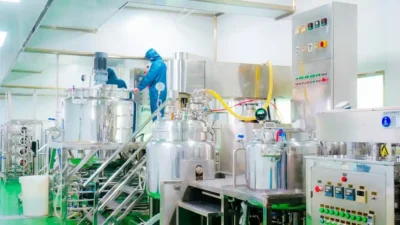
These factories utilize flexible production lines and modular processes, achieving economic feasibility for small-batch production through intelligent production scheduling systems, shared raw material procurement, and quick mold-change technologies. Compared to traditional mass production, the low MOQ model emphasizes production flexibility and response speed, enabling rapid adaptation to market trends.
Five Advantages of Choosing a Low MOQ Cosmetic Factory
Significantly Lowering Startup Capital Requirements
For emerging brands, financial pressure is the greatest challenge. Low MOQ production reduces initial investment from hundreds of thousands to tens of thousands of dollars, allowing entrepreneurs to:
-
Test market response: Small-batch production enables brands to validate product concepts without taking on excessive risk
-
Optimize cash flow: Reduce inventory backlog and improve capital turnover efficiency
-
Develop in stages: Gradually scale production based on market feedback for steady growth
Enhancing Product Development Flexibility
Traditional mass production often requires development cycles lasting several months, while low MOQ factories offer:
-
Rapid sampling services: Typically completing samples within 2–4 weeks
-
Iterative optimization capability: Quickly adjust formulations and packaging based on market feedback
-
Diversified product lines: Allow brands to develop multiple product series simultaneously to test different market positions
Agile Response Aligned with Market Trends
Beauty industry trends change rapidly, and low MOQ production enables brands to:
-
Capture short-term trends: Quickly launch products aligned with seasonal or social media trends
-
Reduce obsolescence risk: Avoid large inventory backlogs due to changing trends
-
Continuous innovation: Encourage product innovation and formula upgrades to keep the brand fresh
How to Select a High-Quality Low MOQ Cosmetic Factory?
Factory Qualifications and Compliance Assessment
When selecting a low MOQ factory, quality standards should not be compromised due to low order quantities. Key evaluation points include:
Production Certification Systems
-
Check for GMPC (Good Manufacturing Practice for Cosmetics) certification
-
Confirm ISO 22716 or equivalent quality management system certification
-
Verify the validity of the factory’s cosmetic production license
-
Understand the compliance and traceability of raw material suppliers
On-Site Production Capacity Inspection
-
Visit the production workshop to observe cleanliness and equipment modernization
-
Understand the strength of the R&D team and laboratory equipment
-
Inspect quality control processes, including raw material inspection, in-process control, and finished product testing
-
Evaluate the automation level and hygiene standards of the packaging workshop
In-Depth Evaluation of Service Levels and Technical Support
An excellent low MOQ factory should provide comprehensive support:
R&D and Formulation Support
-
Whether free or low-cost formula development services are offered
-
Ability to customize unique formulations based on brand positioning
-
Capability to develop special formulations (e.g., water-free formulas, clean beauty, etc.)
-
Whether stability testing and safety assessments are provided
Supply Chain and Logistics Support
-
Reliability and consistency assurance for raw material procurement
-
One-stop packaging material procurement support
-
Warehousing and logistics solutions for small-batch orders
-
Export documentation and international logistics support (e.g., for overseas expansion plans)
Cost Structure and Optimization Strategies for Low MOQ Production
Understanding the Cost Composition of Small-Batch Production
Compared to mass production, low MOQ production has higher unit costs, primarily due to:
-
Raw material procurement costs: Small-batch purchases rarely qualify for bulk discounts
-
Production line changeover costs: Frequent product switches increase equipment cleaning and setup time
-
Packaging costs: Small-batch custom printing incurs higher expenses
-
Labor costs: Small-batch production requires more manual operations and monitoring
Practical Strategies to Reduce Costs
Entrepreneurs can optimize production costs through the following methods:
Packaging Standardization Strategy
-
Choose existing bottle types and packaging materials from the factory to avoid full customization
-
Use replaceable label designs to allow multiple products to share the same packaging
-
Consider hybrid solutions like universal packaging with custom outer boxes
Production Planning Optimization
-
Schedule multiple products for production within a similar timeframe
-
Plan seasonal products in advance to secure longer production windows
-
Negotiate annual production plans with the factory for more favorable terms
Future Trends in Low MOQ Cosmetic Factories
Technological and Digital Upgrades
Leading low MOQ factories are improving small-batch production efficiency through technological advancements:
-
Smart manufacturing systems: Apply IoT technology to monitor production processes and reduce changeover time
-
Digital twin technology: Optimize production parameters in virtual environments to minimize trial-and-error costs
-
AI-driven formula development: Utilize algorithms to accelerate new product development
Integration of Sustainability and Small-Batch Production
Environmental trends are profoundly influencing cosmetic production models:
-
Refillable packaging: Eco-friendly packaging solutions designed specifically for small-batch brands
-
Biodegradable material applications: Easier to experiment with new eco-friendly materials in small-batch production
-
Zero-waste production philosophy: Precisely calculate raw material usage to reduce production waste
Success Story: Building a Viral Brand with Low MOQ Strategy
Several well-known beauty brands began their success with low MOQ production. For example, a natural skincare brand initially produced only 500 units of face cream to test market response. After adjusting the formula based on consumer feedback, they gradually scaled up, achieving annual sales exceeding 10 million dollars within three years. This “small steps, quick iteration” model reduces entrepreneurial risk while maintaining close interaction between the brand and consumers.
Frequently Asked Questions
Does Low MOQ Mean Compromised Quality?
Absolutely not. Professional low MOQ factories ensure product quality matches mass production through standardized processes and strict quality control. The key is selecting a factory with a robust quality system, not just the lowest-priced option.
What is the Typical Minimum Order Quantity?
Minimum order quantities vary for different product types:
-
Skincare products: Usually 1,000–3,000 units
-
Single makeup items: 500–2,000 units
-
Lipsticks/lip glosses: Can be as low as 500 units
-
Custom formulations: May require higher minimum order quantities
How Long Does It Take from Order to Delivery?
Standard products typically require 6–8 weeks, including:
-
Raw material procurement: 1–2 weeks
-
Production cycle: 2–3 weeks
-
Stability testing: 1–2 weeks (can be conducted concurrently for some products)
-
Packaging and logistics: 1 week
Conclusion
In today’s increasingly segmented and personalized cosmetics industry, low MOQ cosmetic factories offer unprecedented opportunities for entrepreneurs. By carefully selecting the right manufacturing partner, even small-batch brands can achieve high-quality production, rapid market response, and sustainable development. The key lies in balancing flexibility, cost, and quality to find a partner who truly understands the needs of small brands.
Whether you are a first-time entrepreneur or a small brand looking to expand your product line, the low MOQ production model can provide tailored solutions to help you carve out your niche in the competitive beauty market.