

In today’s global cosmetics market, China private label cosmetics suppliers are becoming the preferred partners for brand owners and entrepreneurs. With the continuous improvement of Chinese manufacturing standards and the increasing maturity of supply chains, these suppliers can not only provide high-quality products but also offer flexible and innovative solutions for clients of various scales. This article will explore in depth the core advantages, selection criteria, and cooperation strategies for Chinese private label cosmetics suppliers, providing you with comprehensive decision-making reference.
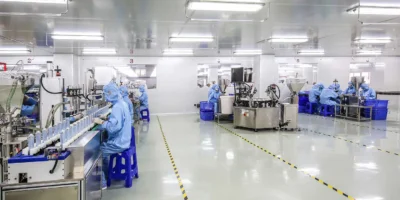
Why Global Brands Favor Chinese Private Label Cosmetics Suppliers?
Perfect Balance of Cost Efficiency and Scale Production
One of the core advantages of China’s cosmetics supply chain lies in its exceptional cost control capabilities. From raw material procurement to large-scale production, Chinese suppliers can significantly reduce unit production costs through mature industrial clusters and efficient logistics networks. For example, complete cosmetics industry chains have been formed in cities like Guangzhou, Shanghai, and Suzhou, covering all aspects from formula R&D, packaging design, filling production, to quality inspection.
More importantly, while maintaining cost advantages, Chinese suppliers have not compromised on product quality. Many leading private label suppliers have obtained international certifications such as GMPC and ISO22716, with production standards on par with high-end factories in Europe and America. This combination of “high quality and reasonable price” is particularly suitable for emerging brands and small-to-medium enterprises seeking product line expansion.
Rapid Advancement in Innovation and R&D Capabilities
Over the past decade, R&D investment in China’s cosmetics industry has grown by an average of over 15% annually. Top private label suppliers not only possess modern laboratories but also establish collaborative relationships with domestic and international research institutions, focusing on:
-
Development and application of natural organic ingredients
-
Customized formula research for Asian skin types
-
Innovation in sustainable packaging materials
-
Novel formulation technologies (e.g., freeze-drying, microencapsulation)
This R&D strength enables Chinese suppliers to quickly respond to market trends and provide clients with competitive, differentiated products. Whether it’s Clean Beauty, men’s grooming, or herbal cosmetics, partners with professional R&D capabilities can be found.
How to Identify Reliable Private Label Cosmetics Suppliers?
Core Certifications and Compliance Review
When selecting a supplier, compliance is the primary consideration. A qualified supplier should possess at least:
-
Production License and Filing Certificates: A cosmetics production license from China’s National Medical Products Administration (NMPA) is a basic requirement, and all products must complete the filing process.
-
International Quality System Certifications: Certifications such as ISO22716 (Cosmetics Good Manufacturing Practices) and GMPC (US/EU standards) indicate that their quality management system meets international levels.
-
Ingredient Safety Certifications: Such as EWG verification, COSMOS Natural & Organic certification, especially for products exported to European and American markets.
-
Environmental and Social Responsibility Certifications: For brands focusing on sustainable development, ISO14001 Environmental Management System certification and social responsibility reports are worth noting.
It is advisable to request complete certification documents from suppliers and verify them through third-party agencies. Simultaneously, understand whether the supplier is familiar with the regulatory requirements of the target market, such as the EU’s EC 1223/2009 and US FDA regulations.
Assessing R&D Capabilities and Formula Library Depth
A truly high-quality supplier should not only produce according to client requirements but also possess proactive R&D and proposal capabilities. Key areas to focus on during evaluation include:
Laboratory Facilities and R&D Team Composition
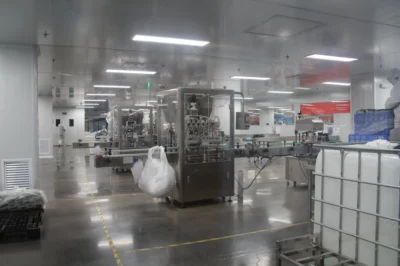
Conduct on-site visits or virtual factory tours via video to understand the level of their laboratory equipment. A professional R&D team should include formulation engineers, texture evaluation specialists, stability testing personnel, etc. Inquire about the qualifications and industry experience of their core R&D staff, especially their expertise in specific categories (e.g., sun care, anti-aging, color cosmetics).
Richness of Existing Formula Library
Mature suppliers typically possess hundreds or even thousands of proven, market-ready formulas. These formulas should cover:
-
Targeted solutions for different skin types (oily, dry, sensitive)
-
Popular efficacy needs (moisturizing, brightening, anti-wrinkle, acne treatment, etc.)
-
Multiple formulation choices (serums, lotions, creams, masks, color cosmetics, etc.)
-
Differentiated formula concepts (microbiome skincare, blue light protection, emotional beauty, etc.)
Request formula samples from the supplier for testing to evaluate practical performance such as skin feel, absorption, and stability.
In-depth Analysis of ODM and OEM Service Models
Comprehensive Overview of Standard OEM Services
Under the OEM (Original Equipment Manufacturing) model, the client provides the complete product formula, packaging design, and process requirements, and the supplier is responsible for standardized production. This model suits:
-
Brands with mature product systems needing to expand production capacity
-
Clients with proprietary formula patents requiring confidential production
-
Projects with special technical requirements needing customized production
When selecting an OEM supplier, focus on evaluating their production consistency control capability, batch-to-bariation control level, and order flexibility. Minimum Order Quantity (MOQ) is a crucial factor; quality suppliers typically offer flexible options ranging from 1,000 to 10,000 units depending on product complexity.
Core Value of Innovative ODM Services
ODM (Original Design Manufacturing) services represent a core strength of Chinese private label suppliers. Under this model, suppliers provide full-chain services from market insight and concept development to final production. Its value is reflected in:
Trend Insight and Co-creation
Excellent ODM partners can provide trend analysis and product concept suggestions based on global market data. Examples include current popular innovations like “makeup-skincare hybrid” color cosmetics, long-lasting base makeup suitable for mask-wearing scenarios, and virtual makeup effects for video conferences.
Integrated Solution Capability
One-stop services from formula development, packaging design, copywriting, to regulatory filing significantly shorten time-to-market. Some leading suppliers even offer competitor analysis, price positioning suggestions, and marketing material support, becoming a true extension of the brand’s team.
2024-2025 Private Label Cosmetics Market Trends Outlook
Deep Integration of Sustainability and Ethical Consumption
The global cosmetics market is undergoing a profound sustainability transformation. Forward-looking Chinese suppliers have already made strides in this area:
Green Packaging Solutions
-
Innovative, recyclable, and biodegradable packaging materials, such as packaging made from compressed bagasse powder, algae-based films, etc.
-
Refill and concentrate product packaging system design
-
Integration of carbon footprint tracking and emission reduction solutions
Ethical Sourcing and Transparent Supply Chain
Consumers are increasingly concerned about the ethics and transparency of ingredient sourcing. Leading suppliers are beginning to offer:
-
Traceable information on raw material origins
-
Fair Trade-certified botanical ingredients
-
Animal welfare-friendly testing solutions (alternative to animal testing)
Personalization and Digital Customization Trends
With technological advancements, small-batch, personalized production has become a reality. Innovative suppliers offer:
Digital Formula Adjustment Systems
Based on skin data or market needs provided by clients, algorithms quickly adjust formula parameters to achieve “personalized” product customization.
Smart Manufacturing and Rapid Response
The application of IoT technology and flexible production lines has further reduced MOQs and significantly shortened delivery times. Some suppliers have achieved standard delivery cycles of 15-30 days, even offering 7-day expedited services for urgent orders.
Efficient Cooperation Processes and Risk Management
Standard Process from Inquiry to Delivery
Cooperation with quality suppliers typically follows this process:
Phase 1: Needs Analysis and Matching (1-2 weeks)
-
Client submits a detailed product requirements form, including target market, price positioning, efficacy requirements, etc.
-
Supplier analyzes requirements and provides a preliminary proposal, including formula suggestions, cost estimates, and timeline.
-
Both parties sign a Non-Disclosure Agreement (NDA) to begin in-depth communication.
Phase 2: Development and Sample Confirmation (4-8 weeks)
-
Formula development and laboratory sample preparation.
-
Client conducts sample testing and provides feedback.
-
Formula adjustment and simultaneous stability testing.
-
Packaging design and sample confirmation.
Phase 3: Production and Delivery (4-6 weeks)
-
Trial production before mass production.
-
Full-item quality testing (including microbiology, heavy metals, stability, etc.).
-
Final inspection and packaging.
-
Logistics arrangement and customs clearance document preparation.
Common Risks and Mitigation Strategies
Intellectual Property Protection Risks
Ensure the supplier has a robust IP protection system, including physically isolated R&D areas, encrypted formula management systems, strict employee confidentiality agreements, etc. It is advisable to clearly define IP ownership and liability for breach in the contract.
Quality Consistency Risks
Require the supplier to provide a detailed quality control plan, including raw material incoming inspection, production process control points, finished product inspection items, etc. Conduct regular third-party quality audits and establish defective product traceability and recall procedures.
Supply Chain Disruption Risks
Assess the supplier’s supply chain resilience, including raw material inventory strategies, alternative supplier networks, contingency production plans, etc. Diversifying suppliers and maintaining appropriate safety stock are effective mitigation measures.
Building Long-Term Win-Win Partnerships
Beyond Transactions: Suppliers as Strategic Partners
The most successful brand-supplier relationships have evolved from simple buyer-seller transactions to strategic collaborations. Characteristics of this relationship include:
Information Sharing and Joint Innovation
Regularly sharing market insights, consumer feedback, and R&D directions to jointly develop future-oriented products. Some brands even establish joint laboratories with suppliers, specializing in specific technological areas.
Flexible and Innovative Cooperation Models
Adjust cooperation methods according to the brand’s development stage, such as providing more ODM support during the startup phase and shifting to strategic OEM cooperation during the maturity phase. Consider introducing performance incentive mechanisms, such as rebate plans based on sales growth.
Cultural Integration and Communication Optimization
Overcoming language and cultural differences is key to international cooperation. Recommendations:
Establish a Clear Communication Framework
Designate a bilingual project manager as the single point of contact, use standardized templates for technical communication, and hold regular video conferences to sync progress.
Cultural Sensitivity and Relationship Building
Understand the relational dimension in Chinese business culture and build trust through site visits and technical exchanges. Respect holiday customs and communication habits to avoid cultural misunderstandings.
Conclusion: Seizing the Golden Opportunity in China’s Cosmetics Supply Chain
China private label cosmetics suppliers are at a critical juncture of qualitative transformation—evolving from the “world’s factory” to a “global beauty innovation hub.” For global brand owners, this represents not only an opportunity to reduce costs but also a strategic choice to gain innovative momentum, accelerate product launch, and build differentiated competitiveness.
Successful cooperation begins with prudent selection, thrives on in-depth communication, and endures through shared growth. Through the framework and insights provided in this article, we hope to offer practical guidance for finding your ideal partner and jointly opening a new chapter in beauty brand building.
Whether you are a startup brand looking for your first product partner or an established company optimizing your supply chain layout, China private label cosmetics suppliers can provide solutions aligned with your development stage and brand vision. In this rapidly changing market, choosing a supplier that can co-evolve and achieve mutual success with you will be one of the wisest decisions on your brand journey.