

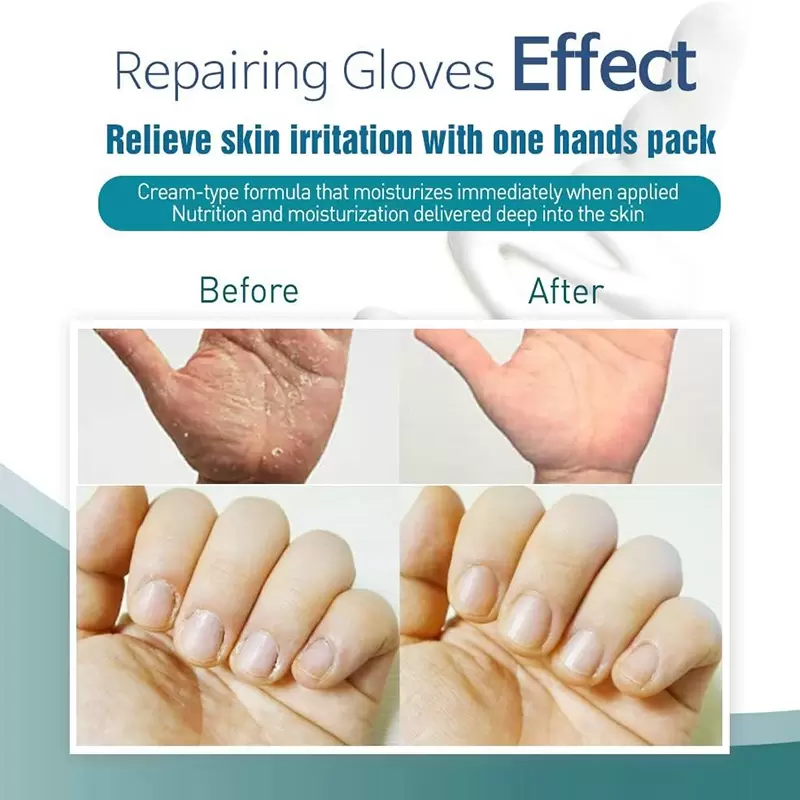
Starting a private label cosmetics business is a strategic way to enter the $500B global beauty industry without the high costs of in-house formulation. In this definitive guide, we’ll walk you through every critical step—from choosing a niche to launching your first product line. Whether you’re an entrepreneur looking for a low-risk entry into beauty or a retailer expanding your brand, this guide will equip you with actionable strategies to build a profitable, scalable private label business.
Define Your Niche & Target Audience
1.1 Identify a Profitable Niche
The private label cosmetics market is vast—focus on a niche to stand out. Popular niches include: organic skincare, vegan makeup, anti-aging products, or men’s grooming. For example, a niche like “sustainable, zero-waste lip balms for eco-conscious millennials” targets a specific audience with clear needs. Use Google Trends and Amazon Best Sellers to validate demand for your niche.
1.2 Create Buyer Personas
Develop detailed buyer personas to understand your target audience. Ask: What are their pain points? Where do they shop? What influences their purchasing decisions? For example, a persona for “Eco-Conscious Emma” (25-35, urban, values sustainability) will guide your product selection, packaging, and marketing.
Research & Select Private Label Suppliers
2.1 Evaluate Supplier Credentials
Choose suppliers with GMP (Good Manufacturing Practices) certification, ISO compliance, and a track record of quality. Request samples to test product performance, consistency, and shelf life. For example, if you’re selling skincare, ensure the supplier uses clean ingredients and offers third-party testing.
2.2 Negotiate Terms & Minimum Order Quantities (MOQs)
MOQs vary by supplier—negotiate to find a balance between cost and inventory risk. Some suppliers offer low MOQs (50-100 units) for new businesses. Ask about customization options (e.g., private labeling, packaging design) and lead times to avoid delays.
Product Development & Customization
3.1 Customize Formulations & Packaging
Work with your supplier to customize products to your brand’s needs. For example, add unique ingredients (e.g., hyaluronic acid for hydration) or adjust shades for inclusive skin tones. Design packaging that reflects your brand identity—use sustainable materials (e.g., recycled plastic, glass) to appeal to eco-conscious consumers.
3.2 Ensure Regulatory Compliance
Private label products must comply with local regulations (e.g., FDA in the U.S., EU Cosmetics Regulation). Verify that your supplier provides safety data sheets (SDS) and ingredient lists. Label products correctly with batch numbers, expiration dates, and usage instructions.
Branding & Positioning
4.1 Build a Strong Brand Identity
Your brand name, logo, and messaging should resonate with your target audience. For example, a luxury private label brand might use a minimalist logo and gold accents, while a budget-friendly brand could opt for bold colors and playful fonts. Ensure consistency across packaging, website, and social media.
4.2 Craft a Unique Value Proposition (UVP)
Your UVP is what makes your brand different. For example: “Affordable, salon-quality haircare made with organic ingredients” or “Vegan makeup that’s cruelty-free and inclusive.” Highlight your UVP in all marketing materials to attract customers.
Set Up Your E-Commerce Store
5.1 Choose an E-Commerce Platform
Select a platform that fits your needs—Shopify, WooCommerce, or BigCommerce are popular options. Customize your store with high-quality product images, detailed descriptions, and customer reviews. Ensure your website is mobile-optimized, as 60% of beauty purchases are made on mobile devices.
5.2 Optimize for SEO
Use keyword research tools (e.g., Ahrefs, SEMrush) to target terms like “private label organic skincare” or “vegan makeup wholesale.” Optimize product pages with meta titles, descriptions, and alt text for images. Start a blog to share valuable content (e.g., “How to Choose the Right Private Label Supplier”) and drive organic traffic.
Marketing & Sales Strategies
6.1 Launch a Pre-Order Campaign
Generate buzz before your launch with a pre-order campaign. Offer early-bird discounts or free samples to incentivize purchases. Use social media (Instagram, TikTok) to share behind-the-scenes content and build anticipation.
6.2 Leverage Influencer Marketing
Partner with micro-influencers (10k–100k followers) who align with your brand values. For example, a vegan beauty brand could collaborate with a cruelty-free lifestyle influencer. Influencers can create product reviews, tutorials, and unboxing videos to reach a wider audience.
Customer Service & Retention
7.1 Provide Exceptional Support
Respond to customer inquiries within 24 hours and offer hassle-free returns. Use live chat on your website to assist customers in real time. Personalize interactions—e.g., send a handwritten thank-you note with every order.
7.2 Build a Loyalty Program
Reward repeat customers with a loyalty program—e.g., earn points for every purchase that can be redeemed for discounts or free products. This encourages customer retention and word-of-mouth referrals.
Scale Your Business
8.1 Expand Your Product Line
Once your initial products are successful, expand your line to meet customer demand. For example, if you start with lipsticks, add eyeshadows or skincare products. Use customer feedback to identify new product opportunities.
8.2 Enter New Markets
Consider selling on Amazon, Etsy, or retail stores to reach a broader audience. Research international markets and adapt your products to local regulations and preferences. For example, expand to Europe by complying with EU Cosmetics Regulation.
CTA: Schedule a Free Consultation
Ready to start your private label cosmetics business? Our team at Guangdong Cosmetics offers free consultations to help you choose suppliers, customize products, and launch your brand. Click here to book your session!
CTA: Join Our Private Label Community
Connect with other private label entrepreneurs in our exclusive Facebook group. Share tips, ask questions, and get access to supplier recommendations. Join now and grow your network!
CTA: Follow Us on Social Media
Stay updated on the latest private label trends, supplier news, and marketing tips by following us on Instagram (@GuangdongCosmetics) and LinkedIn. We post weekly content to help you succeed in the beauty industry.
CTA: WhatsApp Us for Immediate Support
Have questions about starting a private label business? WhatsApp us at +86 134 8026 8601 for personalized guidance. Our team is available 24/7 to assist you with supplier selection, product customization, and more.
CTA: Download Our Free E-Book
Get our comprehensive e-book, “The Ultimate Guide to Private Label Cosmetics,” for free! It includes checklists, supplier directories, and case studies to help you launch your business. Download now!
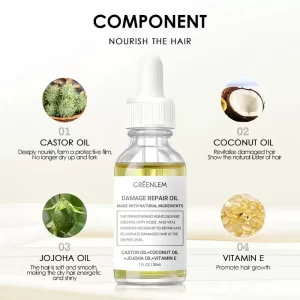
Starting a private label cosmetics business is a low-risk way to enter the beauty industry, but success requires careful planning and execution. By choosing the right niche, partnering with reputable suppliers, and building a strong brand, you can create a profitable business that resonates with consumers. Remember to prioritize quality, customer satisfaction, and adaptability to stay ahead in the competitive market.