

In the fiercely competitive beauty market, small cosmetic brand manufacturers face dual challenges of limited resources and intense competition. This article provides an in-depth exploration of key strategies for small-scale cosmetic production, covering core issues such as production model selection, cost control, product differentiation, and regulatory compliance. It offers practical and profound solutions for small cosmetic enterprises seeking breakthroughs.

1. Core Challenges and Opportunities Analysis for Small Cosmetic Brand Production
1.1 Dilemma in Production Model Selection with Limited Resources
Small cosmetic brand manufacturers typically face multiple constraints in capital, technology, and talent. Compared to large cosmetic conglomerates, small enterprises are at a disadvantage in areas such as raw material procurement, production equipment, and R&D investment. However, these limitations have also given rise to flexible and diverse production cooperation models.
Currently in the market, small cosmetic brands primarily adopt three production models: in-house production, semi-contract manufacturing, and full contract manufacturing (OEM/ODM). In-house production requires substantial initial investment, including factory construction, equipment procurement, and professional staffing, suitable for enterprises with certain capital strength and technical accumulation. Semi-contract manufacturing combines the advantages of in-house production and outsourcing, where the brand may be responsible for core formula development while outsourcing filling, packaging, and other processes. Full contract manufacturing is the most common choice for small brands, collaborating with professional cosmetic OEM factories to quickly launch products at lower costs.
According to industry data, over 70% of emerging cosmetic brands choose OEM/ODM models in their initial stages. The advantages of this model include: reduced initial investment risk, shortened product time-to-market, and utilization of the OEM factory’s professional technology and compliance experience. However, potential issues such as formula homogenization and reliance on third parties for quality control also exist.
1.2 Cost Control Strategies for Small-Batch Production
For small-batch cosmetic production, cost control is crucial for survival. The economies of scale in traditional cosmetic production are difficult to achieve in small-batch scenarios, necessitating innovative cost management methods.
Regarding raw material procurement strategies, small brands can adopt joint purchasing, seasonal purchasing, or establish long-term relationships with suppliers to reduce unit prices. For example, several non-competing small brands can jointly purchase common raw materials to obtain prices close to those of medium-sized enterprises. Additionally, selecting local or regional raw material suppliers can reduce logistics costs and delivery times.
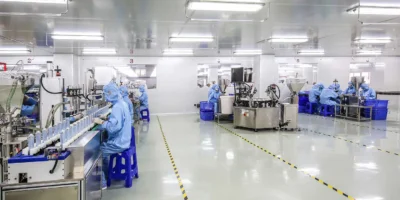
Production process optimization is equally important. Small-batch production can adopt flexible manufacturing methods, adjusting production lines based on order volumes flexibly. Many modern cosmetic OEM factories are equipped with machinery suitable for small-batch, multi-variety production, such as small emulsifying tanks and multi-functional filling lines. Moreover, the lean production philosophy is particularly significant in small-batch cosmetic production, improving efficiency by reducing waste and optimizing processes.
Packaging material costs typically account for 20-40% of total cosmetic costs. Small brands can reduce costs by selecting standard bottle types, simplifying packaging designs, and adopting environmentally friendly, minimalist packaging. Simultaneously, establishing long-term partnerships with packaging suppliers and agreeing on tiered pricing, gradually reducing unit prices as order volumes increase, is also an effective cost control strategy.
2. Product Differentiation and Innovation: Building Core Competitiveness for Small Brands
2.1 Product Positioning Strategies Based on Market Segmentation
In today’s increasingly saturated cosmetic market, small brands must find their niche through precise positioning. Market segmentation is a key strategy for small cosmetic brand manufacturers to break through.
Consumer segment targeting is a common entry point. For example, developing specialized products for specific age groups (such as Generation Z, mature skin), skin types (such as sensitive skin, oily acne-prone skin), lifestyles (such as vegans, environmental advocates), or regional characteristics (such as high-humidity areas, dry climates). Data shows that small brands focusing on sensitive skin care have seen a 45% increase in market share over the past three years, significantly higher than the industry average.
Ingredient differentiation is another effective strategy. Small brands can focus on specific ingredients or ingredient combinations, such as natural plant extracts, biotechnology ingredients, and microbiome skincare components. For instance, some emerging brands concentrate on relatively novel but evidence-backed active ingredients like copper peptides and bakuchiol, differentiating themselves from mainstream brands.
Cultural value positioning is gaining increasing attention. Many successful small cosmetic brands integrate brand stories and cultural concepts into product development, such as Chinese-style cosmetics, regionally characteristic ingredient cosmetics, and female empowerment-themed brands. These brands build loyal customer bases through emotional connections and cultural identity.
2.2 Establishing R&D Innovation and Formula Advantages
While small cosmetic brand manufacturers cannot compete with large corporations in R&D resources, they can build technical advantages in specific areas through focused strategies.
Open innovation is a feasible R&D path for small brands. Collaborating with universities and research institutions to access cutting-edge research; participating in cosmetic industry technology exchanges to stay updated on the latest trends; and even crowdsourcing consumer insights and product ideas. Innovative platforms such as cosmetic developer communities and ingredient supplier technical seminars provide small brands with access to the latest technologies.
Regarding formulation design, small brands can focus on addressing specific skin issues or meeting particular needs. For example, developing series suitable for “mask makeup” when wearing face masks, protective products targeting screen blue light effects, and multi-functional skincare products adapting to climate changes. By addressing practical pain points, small brands can establish a professional image in niche areas.
Stability and safety testing is a critical but often overlooked aspect for small brands. Even for small-batch production, comprehensive product stability testing, compatibility testing, and safety assessments are essential. Collaborating with third-party laboratories for necessary toxicological evaluations and clinical testing not only ensures product safety but also serves as strong proof of brand credibility.
3. Compliant Production and Sustainable Brand Development Pathways
3.1 Key Points of Global Cosmetic Regulation Compliance
Regardless of size, cosmetic production must comply with relevant regulatory requirements. For small cosmetic brand manufacturers, regulatory compliance is both a challenge and an opportunity to build trust.
Chinese cosmetic regulations have undergone significant changes since the implementation of the Cosmetics Supervision and Administration Regulations in 2021. The new regulations require cosmetic registrants and filers to be responsible for product quality, safety, and efficacy claims. Small brands need to pay special attention to requirements such as product filing, safety assessments, and evidence for efficacy claims. For general cosmetics, filing is a prerequisite for market entry; for special cosmetics (such as sunscreens, whitening, and spot-removing products), registration and approval are required.
International regulations are also factors small brands must consider when expanding into global markets. For example, the EU’s Cosmetic Regulation (EC) No 1223/2009, FDA regulations in the United States, and ASEAN cosmetic directives each have their own characteristics. If small brands plan to enter multiple markets, they need to understand the regulatory requirements of target markets in advance or consider multi-market compliance during the product development stage.
Ingredient compliance is another critical point. Different markets have varying restrictions on cosmetic ingredients, such as the EU’s prohibited substances list and China’s Inventory of Existing Cosmetic Ingredients. Small brands should establish ingredient compliance review processes to ensure that used ingredients meet target market requirements. Maintaining close communication with ingredient suppliers to obtain the latest compliance information is also essential.
3.2 Sustainable Production and Brand Value Enhancement
As consumer environmental awareness grows, sustainability has become an important competitive advantage for cosmetic brands. Small brands can implement sustainable strategies more flexibly and thoroughly in this regard.
Eco-friendly packaging is a key area in sustainable cosmetic production. Small brands can reduce environmental impact by using recyclable materials, minimizing packaging layers, and adopting refillable packaging. Innovative packaging solutions such as water-soluble packaging, seed paper labels, and biodegradable materials not only reduce environmental footprints but also serve as highlights for brand communication.
Green formulations are also receiving increasing attention. This includes using natural biodegradable ingredients, avoiding environmentally controversial ingredients (such as certain sunscreen filters affecting coral reefs), and designing formulas based on green chemistry principles. Small brands can enhance their sustainable image by obtaining third-party certifications such as organic, vegan, and cruelty-free certifications.
Ethical supply chain management is another important component of sustainable brands. Small brands should ensure that raw material procurement adheres to ethical standards, such as fair-trade ingredients and sourcing that supports community development. Although small brands may have limited purchasing volumes, choosing suppliers with ethical certifications allows them to participate in driving the industry toward more responsible practices.
Carbon footprint management is becoming a new focus in the cosmetics industry. Small brands can reduce their carbon footprint by optimizing logistics, selecting local suppliers, and using renewable energy. Some forward-thinking brands are even beginning to label carbon footprints on products, meeting the information needs of environmentally conscious consumers.
4. Innovations in Small Cosmetic Brand Production in the Digital Era
4.1 Data-Driven Production Decision-Making
Digital technologies provide unprecedented opportunities for small cosmetic brand manufacturers. Through data collection and analysis, small brands can make more precise production decisions.
Consumer insight data can guide product development directions. Small brands can use social media listening tools, e-commerce platform review analysis, and online surveys to collect consumer feedback on existing products and future needs. This data can help small brands identify market gaps and develop products that truly meet demands.
Production data optimization improves efficiency and quality control. Even for small-scale production, key metrics such as raw material utilization rates, product qualification rates, and production cycles can be tracked through simple production management systems. This data helps identify wasteful links in production processes and enables continuous improvement in production efficiency.
Predictive production planning is key for small brands to reduce inventory risks. By analyzing sales data, seasonal trends, and market campaign effectiveness, small brands can more accurately forecast product demand, enabling on-demand production and reducing inventory backlog and capital occupation.
4.2 Flexible Supply Chain and On-Demand Production Models
The traditional “forecast-produce-inventory” model in cosmetic production poses high risks for small brands. Flexible supply chains and on-demand production models offer more agile solutions.
Small-batch rapid-response production is a competitive advantage for small brands. Collaborating with OEM factories that support small-batch production enables rapid product iteration and market testing. Some innovative OEM factories even offer “mini-batch” services with minimum order quantities as low as below 1,000 units, significantly reducing trial-and-error costs for small brands.
Modular formula design increases production flexibility. By designing basic formula modules and active ingredient modules, products can be quickly adjusted on the same production line to meet different needs. This model is particularly suitable for the trend of customized cosmetics, allowing small brands to offer personalized products for different customer segments.
Digital inventory management systems can help small brands optimize raw material and finished goods inventories. By integrating with supplier systems, automatic replenishment can be achieved; by monitoring sales data in real-time, safety stock levels can be dynamically adjusted. Cloud-based inventory management systems are cost-effective and suitable for small brands.
Conclusion
Small cosmetic brand manufacturers can find their development paths through precise positioning, innovative cooperation, compliant operations, and digital transformation despite limited resources. Selecting appropriate production models, establishing product differentiation advantages, ensuring regulatory compliance, and implementing sustainable strategies are key for small brands to stand out in the competitive cosmetics market.
Establishing strategic partnerships with professional cosmetic OEM factories not only addresses production challenges but also provides access to industry experience and technical support. Simultaneously, maintaining keen insights into market trends and flexibly adjusting strategies are essential capabilities for small brands to adapt to rapidly changing market environments.
In an era where consumers increasingly value personalization, transparency, and sustainability, small cosmetic brand manufacturers actually possess unique advantages due to their flexibility, innovation, and authenticity. By focusing on niche markets, building professional images, and telling compelling brand stories, small brands can potentially secure a place in the cosmetics industry and even grow into tomorrow’s major brands.
Regardless of scale, professionalism, innovation, and commitment to quality remain the cornerstones of success for cosmetic brands. For small cosmetic brand manufacturers, challenges and opportunities coexist; the key lies in finding suitable development paths, delving deeply into specialized areas, and gradually building brand value and market position.