

What is Cosmetics OEM?
Cosmetics OEM (Original Equipment Manufacturing) refers to the process where a company manufactures cosmetic products based on the specifications provided by another brand. This allows brands to launch products without investing in their own production facilities. The OEM partner handles everything from formulation development to packaging and labeling, providing a turnkey solution for brands looking to expand their product lines.
Benefits of Cosmetics OEM
Cost-Effectiveness: By leveraging the OEM partner’s existing infrastructure, brands can avoid the high costs of setting up a production facility, purchasing equipment, and hiring specialized staff.
Time-Saving: OEM partners have established supply chains and production processes, enabling faster product development and launch times compared to in-house production.
Expertise Access: Brands can tap into the OEM’s expertise in formulation, regulatory compliance, and quality control, ensuring products meet industry standards and consumer expectations.
Flexibility: OEM agreements can be tailored to meet specific brand requirements, including custom formulations, packaging designs, and production volumes.
How to Choose the Right Cosmetics OEM Partner
Evaluate Manufacturing Capabilities
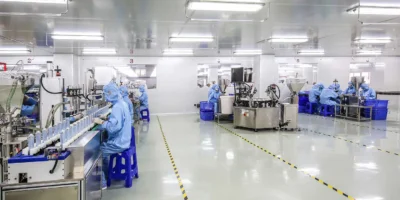
When selecting an OEM partner, it’s crucial to assess their manufacturing capabilities. This includes the size of their production facility, the types of products they specialize in (e.g., skincare, makeup, haircare), and their ability to handle large or small production runs. A partner with modern equipment and a track record of producing high-quality products is essential for maintaining brand reputation.
Check Regulatory Compliance
Regulatory compliance is non-negotiable in the cosmetics industry. Ensure the OEM partner adheres to local and international regulations, such as the FDA (U.S.), EU Cosmetics Regulation, and ISO standards. Ask for certifications like GMP (Good Manufacturing Practices) to verify their commitment to quality and safety.
Assess Formulation Expertise
A strong OEM partner should have a team of experienced chemists and formulators who can develop custom products or adapt existing formulations to meet your brand’s needs. Look for partners who invest in research and development to stay ahead of industry trends and consumer demands.
Review Quality Control Processes
Quality control is critical to ensuring consistent product quality. Inquire about the OEM’s quality control procedures, including raw material testing, in-process inspections, and final product testing. A transparent quality control system will help prevent issues like product recalls and customer complaints.
Trends in Cosmetics OEM for 2024
Clean Beauty Formulations
Consumers are increasingly demanding clean, natural, and sustainable cosmetic products. OEM partners are responding by developing formulations free from harmful ingredients like parabens, sulfates, and phthalates. They are also using eco-friendly packaging materials to reduce environmental impact.
Customization and Personalization
Personalized skincare and makeup products are gaining popularity. OEM partners are offering customizable solutions, such as made-to-order formulations based on individual skin types, preferences, and concerns. This trend is driven by advances in technology, including AI-powered skin analysis tools.
Digitalization and Automation
The cosmetics industry is embracing digitalization and automation to improve efficiency and reduce costs. OEM partners are using technologies like IoT (Internet of Things) for real-time production monitoring, AI for quality control, and blockchain for supply chain transparency. These innovations help streamline processes and ensure product traceability.
Case Study: Successful Cosmetics OEM Partnership
Brand X, a startup in the skincare industry, partnered with a leading Cosmetics OEM to launch their first product line. The OEM provided end-to-end services, including formulation development, packaging design, and regulatory compliance. Within six months of launch, Brand X’s products were available in over 50 retail stores and online platforms, generating $1.2 million in revenue. The partnership allowed Brand X to focus on marketing and brand building while the OEM handled production and logistics.
Conclusion
Cosmetics OEM is a strategic solution for brands looking to enter or expand in the cosmetics market without the upfront costs and risks of in-house production. By choosing the right OEM partner, brands can access expertise, reduce time-to-market, and maintain product quality. As the industry continues to evolve, trends like clean beauty, customization, and digitalization will shape the future of Cosmetics OEM. Brands that adapt to these trends and partner with reliable OEMs will be well-positioned for success in the competitive cosmetics market.