

In the surging tide of China’s beauty industry, Guangzhou Cosmetic Factories undeniably form the beating heart of the global supply chain. Whether you are a founder of an emerging brand, a cross-border e-commerce seller, or a traditional business seeking transformation, finding a professional, reliable, and efficient Guangzhou Cosmetic Factory is the first and most critical step in bringing a product from concept to market. However, faced with thousands of factories, fragmented information, and varying standards, how to screen and choose becomes a significant challenge. This article aims to be your “factory-finding map,” providing an in-depth analysis of the industrial ecosystem, key cooperation points, and strategies to avoid pitfalls when working with Guangzhou Cosmetic Factories. We offer unique, practical, and firsthand decision-making information.
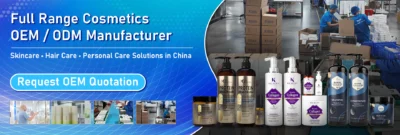
1. Guangzhou Cosmetic Factories: The Anchor of the Global Beauty Supply Chain
Guangzhou, leveraging its profound daily chemical industry foundation, complete raw material supply chain, mature logistics system, and open foreign trade environment, has formed a cosmetic industry cluster centered in areas like Baiyun District, Huadu District, and Conghua District. The Guangzhou Cosmetic Factories here are not only vast in number but also world-renowned for their flexible response speed, innovative R&D capabilities, and highly competitive cost control.
The core advantages of partnering with a Guangzhou Cosmetic Factory include:
-
One-Stop Service Capability: From market trend analysis, formula development, packaging material design, filling production to quality inspection and filing, many large-scale Guangzhou Cosmetic Factories can provide full-chain services, significantly shortening the time-to-market.
-
Ultimate Cost-Effectiveness and Flexibility: The highly concentrated industrial chain optimizes raw material procurement and production costs. Factories generally support small and medium batch orders (with negotiable Minimum Order Quantities – MOQs), making them ideal for brand testing and rapid iteration.
-
Expertise in R&D and Regulatory Filing: Experienced factories possess deep knowledge of domestic (NMPA filing) and international (e.g., EU, US) regulations, providing effective guidance for product compliance and avoiding subsequent legal risks.
2. How to Select a High-Quality Guangzhou Cosmetic Factory? Five Core Evaluation Dimensions
To filter a quality partner from the vast amount of information, you need to systematically examine the following aspects:
-
Hard Power Certification: Credentials are the Bottom Line
Always verify if the factory holds a “Cosmetic Production License” and confirm that its permitted scope covers your required production processes (e.g., cream, liquid, spray). Prioritize Guangzhou Cosmetic Factories certified with international standards like ISO22716/GMPC (Good Manufacturing Practice for Cosmetics), a key indicator of an internationalized and standardized quality management system. Verify cleanliness, equipment advancement, and laboratory completeness through on-site visits or high-definition video tours. -
Soft Power Core: R&D and Compliance Capabilities
An excellent Guangzhou Cosmetic Factory is more than a simple processing workshop. Understand its R&D team’s background, whether it has successful case studies of popular formulas, and if it possesses product development capabilities for special needs like sensitive skin or clean beauty. Simultaneously, inquire if its filing team can provide full-process guidance from document preparation to application—a crucial step for legal product launch. -
Cooperation Model and Communication Efficiency
Clarify the factory’s cooperation model: OEM (processing with provided materials), ODM (full package including materials), or brand customization? Is communication smooth and responsive? A professional team can accurately understand your brand concept and translate it into products, avoiding misdirection and delays due to poor communication. -
Quality Control and Supply Chain Stability
Probe into its raw material sources (whether it cooperates with reputable suppliers), quality control points during production (e.g., microbial testing, stability testing), and finished product inspection standards. A stable supply chain ensures consistency between production batches and avoids stock-out risks. -
Past Case Studies and Reputation Research
Study the brand cases the factory has serviced, especially those with positioning similar to yours. Investigate its reputation through industry networks and online reviews, focusing on feedback regarding delivery times and quality dispute resolution.
3. Standard Process for Cooperating with a Guangzhou Cosmetic Factory
A typical cooperation process is outlined below. Understanding it will make you more prepared:
-
Requirement Communication: Clarify product positioning, efficacy, budget, expected launch timeline, etc.
-
Sampling Confirmation: The factory provides samples based on requirements (a sampling fee may apply). Multiple rounds of adjustments for texture, fragrance, appearance, etc., occur until final confirmation.
-
Contract & Filing: Sign the contract, pay the deposit, and simultaneously initiate product filing/registration (requires approximately 1-3 months or longer—plan ahead).
-
Production & QC: After filing approval, arrange mass production. You can request reports from key quality control points during this stage.
-
Inspection & Delivery: Upon completion, conduct final inspection on-site or via a third party. Pay the balance after approval and arrange logistics.
4. Common “Pitfalls” and How to Avoid Them
-
Pricing Traps: Quotes significantly below market rates may indicate cutting corners on materials, fill volume, or after-sales service. Always request a detailed quotation breakdown and compare cost structures.
-
Intellectual Property Leakage: Choose a Guangzhou Cosmetic Factory that values Non-Disclosure Agreements (NDAs) and clearly stipulate ownership and confidentiality responsibilities for formulas, designs, etc., in the contract.
-
Hidden Fees: Confirm upfront whether quotes include filing fees, testing fees, design fees, etc., to avoid future disputes.
-
Over-Promising: Be wary of factories claiming they “can do anything” or offer “extremely fast filing.” Regulatory filing has statutory timelines. Any promises should be based on facts and regulations.
5. Conclusion and Outlook
In an increasingly competitive beauty market, partnering with a Guangzhou Cosmetic Factory that combines craftsmanship and strength, integrity and innovation, is the cornerstone of a brand’s success. Guangzhou’s cosmetic industry is upgrading towards “intelligent manufacturing,” “green environmental protection,” and “R&D-driven” practices, meaning future cooperation will be more efficient, transparent, and capable of producing higher-quality products.
Before deciding, we recommend deeply communicating with and comparing at least 3-5 different Guangzhou Cosmetic Factories. Combine this with on-site visits and use the dimensions provided in this article for a comprehensive evaluation. The time invested in preliminary screening will help you avoid countless risks in the long-term development of your brand and lay the most solid supply chain foundation.

FAQ (Frequently Asked Questions)
-
Q: What is the typical Minimum Order Quantity (MOQ) for a Guangzhou Cosmetic Factory?
A: This depends on the product and process. Generally, sheet masks have lower MOQs (10k-30k pieces), while cream products involving special packaging (like glass jars) may require 30k-100k units. Specifics must be confirmed in detail with each Guangzhou Cosmetic Factory. -
Q: When cooperating with a Guangzhou Cosmetic Factory, who is responsible for product filing?
A: According to regulations, the registrant/filer (usually the brand owner) is responsible for product quality and safety. However, experienced factories provide crucial agent or guidance services to ensure documentation meets the NMPA’s requirements. -
Q: Besides Guangzhou, what other regions have noteworthy cosmetic factory clusters?
A: Shanghai, Zhejiang (Huzhou), Jiangsu, and others also have excellent clusters. However, Guangzhou often holds an irreplaceable advantage in comprehensive cost, flexibility, and product category comprehensiveness, especially for small-to-medium and emerging brands.